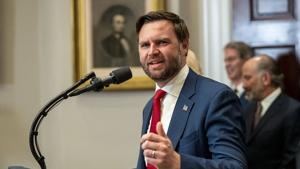
Debt burden, pensions burden Chicago Public Schools
(The Center Square) – The author of a new Civic Federation report says taking on more debt would be a death knell for the stability of Chicago Public Schools.
Danny Vesecky, senior research and policy associate at the Civic Federation, is the author of “Understanding Municipal Debt: A Case Study of the Chicago Public Schools.”
The report found that CPS’s estimated $9.3 billion in outstanding debt is high compared to peer school districts, and its below-investment-grade credit rating significantly increases borrowing costs.
Vesecky said the district considered a short-term loan to cover operational costs last year.
“It’s something that would, I think, really be a death knell for the district’s stability,” Vesecky told The Center Square.
The report said most of CPS’ individual issuances of debt are severely backloaded, resulting in a steadily climbing debt load.
Vesecky said more debt would make future deficits even worse.
“It would probably have severe impact on CPS’s credit rating, which is already junk status, and it could easily send the district on a path to a real level of fiscal insolvency that we haven’t yet seen,” Vesecky said.
Vesecky said CPS is making decisions on a short-term basis when they should be long-term in nature.
“And in so doing, in every individual year, it’s sort of triaging somewhat emergency circumstances. But in the long term, it’s potentially not saving itself as much money as it could be by managing its debt in a better way,” Vesecky said.
Vesecky said CPS has a very large amount of unfunded pension liability, or debt that has to be paid back over the next three decades.
“Last year, the district’s budget was about $10 billion, and it picked up about $300 million in pension costs,” Vesecky said.
CPS budgets have increased by more than 50% over the last decade.
According to a separate report by the Civic Federation, CPS’ adopted budget appropriations increased from $6.4 billion in fiscal year 2016 to $9.9 billion in fiscal year 2025.
CPS proposed a $10 billion budget for next school year, with a projected deficit of $732.5 million.
The largest revenue source for CPS in the current fiscal year is a property tax levy of $4.2 billion, followed by evidence-based funding from state of Illinois taxpayers at $1.8 billion.
The district is also funded by tax increment financing surpluses, state taxpayer-funded pension support and money from federal taxpayers.
Vesecky said the state of Illinois pays for about one-third of pension costs in Chicago and about 98% of those costs for other districts.
“It’s a pretty wide discrepancy,” Vesecky said.
State taxpayers have provided more assistance to CPS since the state enacted its evidence-based funding formula in 2017.
Vesecky’s report said debt management must be part of the solution for CPS to achieve structural balance and improve its long-term fiscal outlook.
“Functionally, backloading debt can crowd out future non-debt spending, contribute to capital backlogs like the one CPS faces, and eventually become unsustainable,” the report stated.




Chance Rain Showers then Partly Sunny
Latest News Stories
Florida to crack down on H-1B visas, following Trump’s lead
Expert: Arizona’s 2026 budget faces Big Beautiful Bill impact

Research institute to Congress: Prioritize American healthcare over noncitizens

Illinois beef producers say Trump’s Argentina beef plan hurts farmers

Illinois quick hits: Bailey family announces memorial services; digital currency scam losses

WATCH: Expect tax and fee increases for veto; Democrats want more sanctuary policies
Will County Health Department Pleads for $1 Million to Avert ‘Weakened Public Health System’

Judge: Benefits of feeding babies beat risk claims in NEC lawsuits

Illinois quick hits: Raoul joins SNAP benefits lawsuit; disaster declaration denial appealed

WATCH: Democratic attorneys general sue feds to release food benefits
WATCH: GOP lawmaker: Pritzker-backed energy omnibus will lead to higher bills

Illegal border crossings in September historically low