District 210 Transportation Update Details Fuel Swings, New Bus Safety Technology
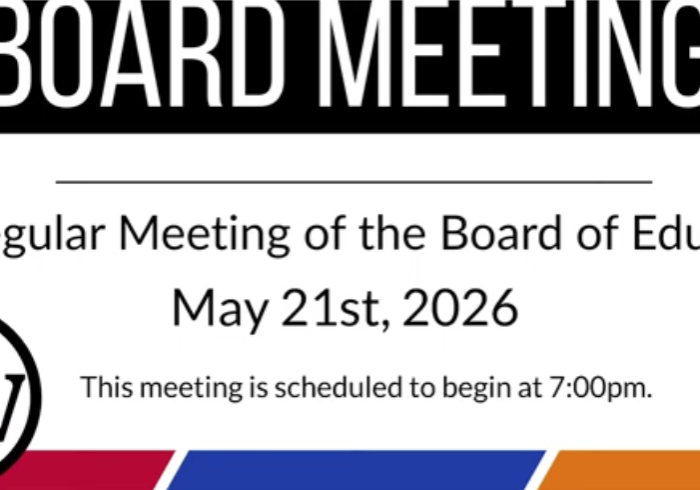
Lincoln-Way Community High School District 210 Meeting | May 21, 2026
Article Summary: Lincoln-Way District 210 Transportation Director Andy Rezer told the board on Thursday, May 21, 2026, that fuel prices surged sharply in the spring while detailing new bus safety technology and a parent tracking app, reporting the department remains adequately staffed heading into next school year.
Transportation Update Key Points:
- Gas prices swung from a February low of $2.14 per gallon to a May high of $4.48; diesel ranged from a January low of $2.81 to a high of $6.12.
- New buses arriving in July include crash avoidance, front and rear cameras, a driver’s airbag, a smaller steering wheel, and three-point seat belts in the first two rows.
- A parent tracking app for Manhattan and New Lenox has 1,225 users following 1,494 students.
- The department has 95 drivers on staff, with 12 hired this year and five in training.
NEW LENOX — Lincoln-Way Community High School District 210 Transportation Director Andy Rezer delivered a wide-ranging update to the board on Thursday, May 21, 2026, covering volatile fuel prices, new bus safety features, and staffing as the department prepares for the next school year.
Responding to a board member’s earlier question about fuel, Rezer said prices held relatively steady until March before climbing rapidly. According to the transportation presentation, gas averaged a high of $4.42 in May, reaching a peak of $4.48, while February brought the low average price of $2.14. Diesel reached a low of $2.81 in January and a high of $6.12. Rezer called the diesel high “cringe-worthy um at best” but said the district is phasing out diesel buses in favor of gas. He said he expects to finish at the top end of the fuel budget without going over, with about 130 buses total taking gas and diesel.
On technology, Rezer said a parent app launched for Manhattan and New Lenox now has 1,225 users following nearly 1,494 students, using GPS to alert parents when a bus comes within 1,600 meters of a stop. He also described incoming “Zonar” tablets — removable 8-inch units mounted in buses for electronic pre- and post-trip inspections and turn-by-turn directions — and a “Bytecurve” dispatch system that ties driver work time to payroll, ending paper time sheets.
New buses arriving in July will carry safety upgrades not found on the older diesel “International” buses, Rezer said. These include crash-avoidance technology, front and rear cameras, a driver’s airbag, a smaller steering wheel that addresses driver complaints, and three-point seat belts in the first two rows ahead of a state mandate Rezer referenced for 2031.
On staffing, Rezer said the department has 95 drivers, having hired 12 this year with five in training, and is filling open dispatcher/trip coordinator, mechanic, and lead mechanic positions this summer. Asked whether driver staffing remained short, Rezer said the issue has been attendance and call-offs, particularly on Mondays and Fridays, rather than a shortage of drivers. “I feel we’re going to be looking very good for the first part of the year,” he said.



Isolated Rain Showers then Mostly Sunny
Latest News Stories

Illinois Quick Hits: Nine arrested during Naperville teen gathering
Pritzker housing proposal partly stalls amid overreach concerns from localities
Swipe fee battle continues after delay, court ruling
$45M included in budget for previously unfunded property tax relief

Illinois Quick Hits: Pritzker signs two bills
Meeting Summary and Briefs: Lincoln-Way Community High School District 210 for May 21, 2026
Judge says federal rule blocks Illinois from banning ‘swipe fees’

Canadians, Brits stress U.S., Texas are key to shipbuilding

Tariff litigation expands as federal court weighs next move

Democrats dissatisfied by DOJ’s pause on ‘anti-weaponization fund’

Hegseth calls allied defense ‘bad deal for taxpayers’ in budget push

Pritzker touts state spending to cover federal cuts in passed budget