AI safety regulations advance in Springfield, despite industry concern
(The Center Square) – A push to regulate artificial intelligence products in Illinois has taken a major step toward becoming law. The plan, which has broad support from industry leaders, would require transparency and expanded safety measures from many AI companies.
Senate Bill 315, officially known as ‘The Artificial Intelligence Safety Measures Act,’ would require AI companies such as OpenAI – sometimes referred to as ‘frontier’ AI companies – to conduct and share findings of annual third-party audits and disclose safety incidents to the state.
According to Rep. Daniel Didech, D-Buffalo Grove, who is carrying the bill in the House, said the bill is nearly the same as measures passed in New York and California.
Illinois-based regulations have previously been criticized, with detractors saying they would contribute to a patchwork of laws that could stifle innovation.
Didech said the measure specifically requires the biggest AI companies to create and publish protocols on how their organizations will prevent and manage harm as a result of their products.
“All frontier developers must report critical safety incidents to [Illinois Emergency Management Agency] and the Attorney General within 72 hours of them occurring. And if an incident poses an imminent risk of death or serious physical injury, they must also report to an appropriate law enforcement or public safety agency,” Didech said
The lawmaker also said the bill includes measures to protect whistleblowers in the event an employee seeks to come forward with safety concerns.
Jeremy Kudon, the director of American Innovators Network, said while the Illinois proposal is similar to the other states, the inclusion of an additional provision requiring third-party audits is nowhere to be seen in other states.
“There is no company in the United States that’s actually accredited or credentialed to audit AI generative models or frontier models,” Kudon said.
Scott Weiser from Secure A.I. Project said that there are ways to audit the companies, and Didech said that the fact a number of the companies in support shows they’re able and willing to work under this proposal.
“There are a number of organizations that do the work which would be involved in auditing and verification,” Weiser said. “There’s two categories. One is boutique specialist firms where all they do is work on AI verification and evaluation. The other is the traditional auditors, your Deloittes and KPMGs.”
Kudon further said he thinks the bill lacks clarity as to what an audit will be based on, and he said he worries there could be negative impacts for open-source models.
“True innovation is to take that open source model and go from there and say ‘OK what can I do to make this even more effective?’ or make certain tweaks that will be modeled towards the legal industry or the medical industry. That’s going to potentially go away,” Kudon said.
OpenAI, which operates the generative AI chatbot ChatGPT, supports the measure, as do some of their biggest competitors, such as Anthropic, which operates their own chatbot Claude.
“As AI systems become more powerful, clear rules around safety, transparency, incident reporting, and accountability are increasingly important. We believe the U.S. should ultimately have national standards for frontier AI safety, but in the absence of federal action, state efforts like this one in Illinois – alongside legislation already in place in California and New York – are helping to create a de facto nationwide approach,” Ann O’Leary, OpenAI vice president of global policy said in a statement.
A number of other initiatives to regulate AI are teed-up to move in coming days, and Illinois has the potential to lead the nation on regulation of the technology, working with many industry leaders.





Sunny
Latest News Stories
Land Use Committee Advances Mokena Scrap Yard and Homer Glen Landscape Business Over Local Objections
District 210 Reports Insurance Deficit Amid National Healthcare Cost Spikes; Finances Remain Stable

Foxx to face questions about murder conviction review ‘investigations’

Illinois Quick Hits: North Chicago manufacturing expansion announced
Local government advocates oppose Pritzker plan to cut distributions
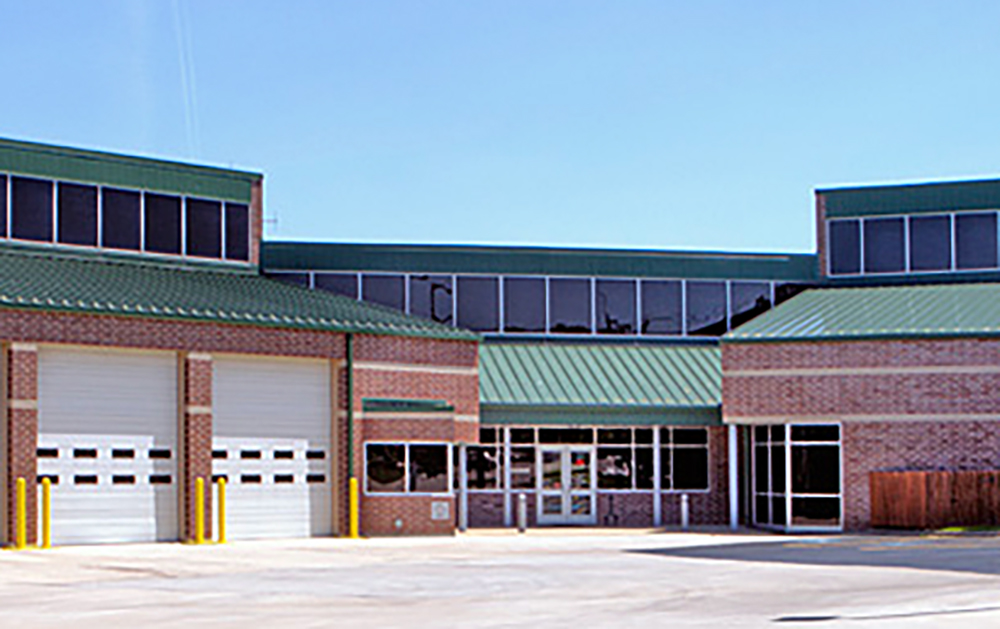
New Lenox Fire District Exploring Land Swap with Village for New Training Facility

WATCH: Illinois diversity leaders dodge questions as they slip farther from goals

Illinois Quick Hits: Road fund could help renovate Soldier Field

Planning Commission Backs 5-MW Peotone Solar Farm; Developer Pledges Pollinator Habitat and Community Funds

Joliet Junior College Board Approves $2 Tuition Increase Amidst Heated Debate Over Enrollment and Spending
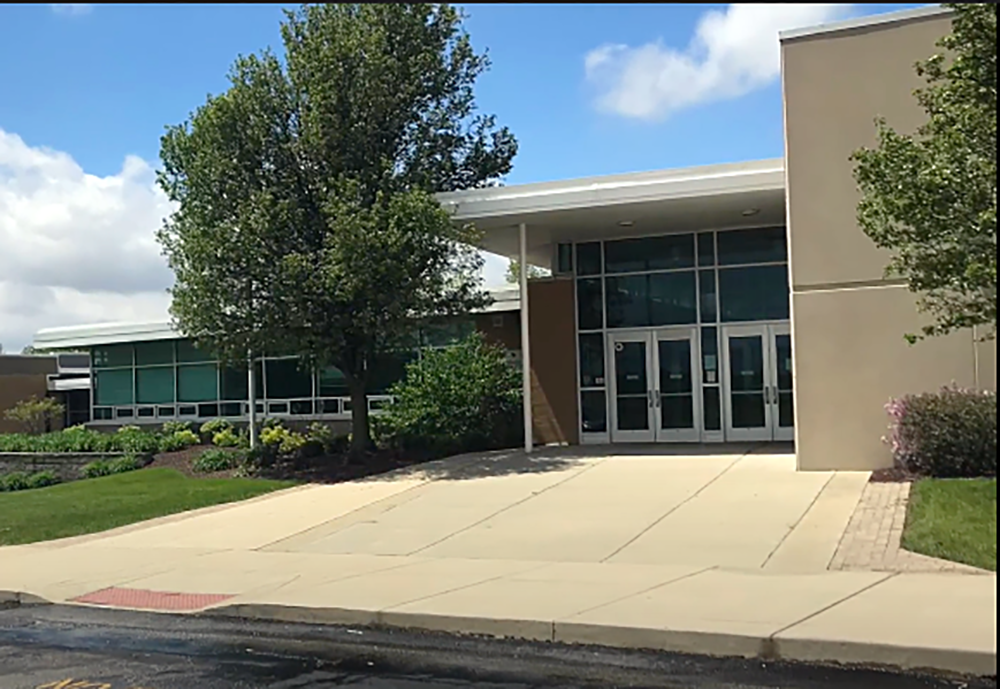
New Lenox District 122 Kicks Off 2026-2027 Budget Cycle, Approves Minor Registration Fee Increase
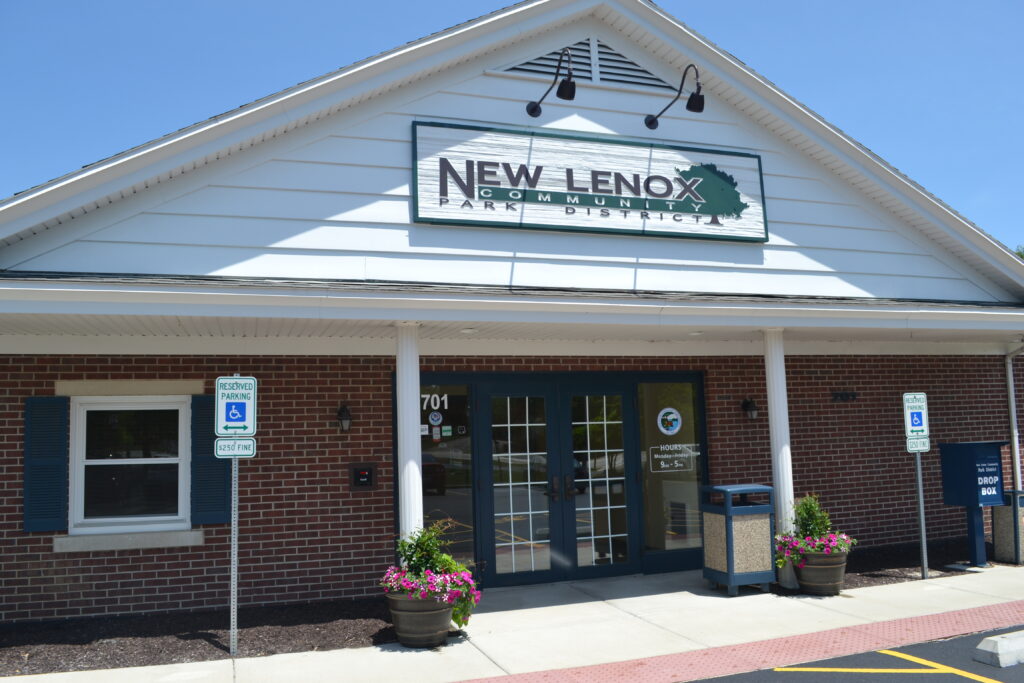
New Lenox Park District Outlines Aggressive 2026 Development Plan, Addresses Crossroads Sinkhole

New Lenox Library Explores Rebranding Ahead of 25th Anniversary on the Commons
Lincoln-Way Board Ratifies Three-Year Support Staff Contract with Significant Hourly Raises