
Illinois Dems seek to expand post-release convict support, housing
(The Center Square) – Lawmakers in Springfield are pushing to pass legislation to provide people recently released from prison with housing, which they say will save Illinois taxpayers by reducing the likelihood for someone to reoffend.
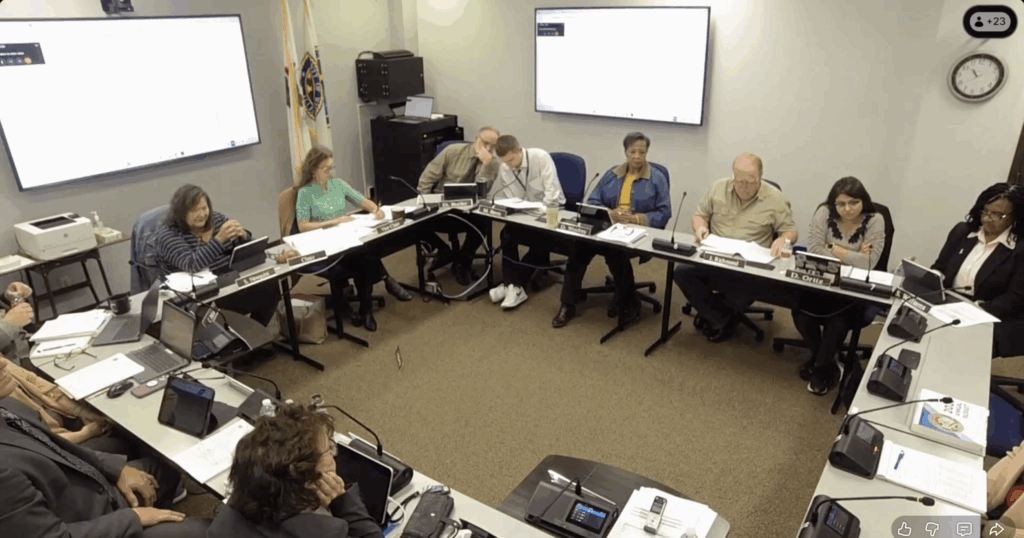
Heard in the Senate Appropriations committee, House Bill 624 – the ‘Home for Good’ Act – would expand housing services for people released from prison by using $35 million in taxpayer funds already approved in this year’s budget.
Ahmadou Dramé, director of the Illinois Justice Project, told the committee the proposed act would put existing services into law, allowing for more state oversight and the ability for housing support services to expand.
“Nearly 40% of people return to Illinois prisons within three years of release annually,” Dramé said. “Recidivism costs Illinois taxpayers and society more than $1.1 billion on top of the more than $2 billion a year that the state pays to fund the Illinois Department of Corrections, Home for Good is designed to break this costly cycle.”
Dramé said the proposal consists of four parts – existing rental assistance programs, support for community re-entry programs, building more state-owned rental units, and the creation of a ‘Home For Good Institute,’ which would provide training and support to organizations at the local level.
Sen. Adriane Johnson, D-Waukegan, the bill’s sponsor, said the overarching goal of the law would be to save taxpayer dollars in the long-term.
“This proposal will create safer, stronger communities across Illinois by improving housing and support services for people returning from prison to prevent homelessness, increase public safety, and save taxpayers money,” said Johnson.
In the proposal, the savings for taxpayers would come at the near-term cost of up to $35 million, which has been pledged by the state’s Restore, Reinvest, and Renew, or R3, board. Grant applications for the funding have already closed.
Critics of the proposal have previously said they worry about using taxpayer funds to provide housing and support to people with criminal histories, especially when violent in nature.
Supporters, including those who testified before the committee, have in turn argued the proposal should be looked at as an investment being made by the state, using already existing funds.






Mostly Sunny then Showers And Thunderstorms Likely
Latest News Stories

Florida to crack down on H-1B visas, following Trump’s lead

Expert: Arizona’s 2026 budget faces Big Beautiful Bill impact

Research institute to Congress: Prioritize American healthcare over noncitizens

Illinois beef producers say Trump’s Argentina beef plan hurts farmers

Illinois quick hits: Bailey family announces memorial services; digital currency scam losses

WATCH: Expect tax and fee increases for veto; Democrats want more sanctuary policies
Will County Health Department Pleads for $1 Million to Avert ‘Weakened Public Health System’

Judge: Benefits of feeding babies beat risk claims in NEC lawsuits

Illinois quick hits: Raoul joins SNAP benefits lawsuit; disaster declaration denial appealed

WATCH: Democratic attorneys general sue feds to release food benefits

WATCH: GOP lawmaker: Pritzker-backed energy omnibus will lead to higher bills

Illegal border crossings in September historically low