North Dakota Supreme Court sides with Energy Transfer in Greenpeace fight over Dutch lawsuit
The North Dakota Supreme Court ruled this week that Greenpeace International cannot keep pursuing most of its lawsuit against Energy Transfer in the Netherlands as the pipeline company’s case moves forward in North Dakota.
The dispute stems from litigation surrounding disruptive protests against the Dakota Access Pipeline.
Energy Transfer sued Greenpeace International, along with Greenpeace USA and Greenpeace Fund. Energy Transfer accused the groups of helping organize illegal efforts to stop pipeline construction and damage the company’s reputation.
Last year, a Morton County jury sided with Energy Transfer on most claims and initially awarded the company $667 million. A judge later reduced the judgment to $345 million.
Before that trial started, Greenpeace International filed a separate lawsuit against Energy Transfer in Amsterdam under a European Union law designed to protect groups facing lawsuits tied to protest activity and free speech.
Energy Transfer argued the Dutch lawsuit was an attempt to undermine the North Dakota case and avoid accountability from the jury verdict.
The North Dakota Supreme Court agreed in a 4-1 ruling.
Justice Jerod Tufte wrote in the majority opinion that Greenpeace International’s case in the Netherlands directly conflicted with findings that the Morton County jury had already made.
Greenpeace International wants the Amsterdam court to declare that Energy Transfer’s lawsuit is “manifestly unfounded and abusive,” according to the ruling.
Tufte wrote that such a finding would require the Dutch court to conclude Greenpeace International “did not engage in unlawful conduct, did not cause Energy Transfer’s losses, and did not act with malice.”
The justice said that the position clashes with the jury’s verdict in North Dakota.
He also said the overseas lawsuit was “an attack on a fundamental policy of this state.”
Additionally, the opinion suggested the timing of Greenpeace International’s lawsuit mattered because it was filed shortly before the North Dakota trial began.
“The only apparent purpose of filing a duplicative foreign action on the eve of trial is to create a vehicle for collaterally attacking the anticipated verdict,” Tufte wrote.
The ruling overturns a previous decision by Southwest Judicial District Judge James Gion, who had declined to stop Greenpeace International from continuing the Amsterdam lawsuit.
Chief Justice Lisa Fair McEvers dissented.
She argued that insufficient evidence exists showing Gion made a legal error and said the Dutch case did not relitigate the same issues decided in North Dakota.
“While there are some similarities, the types of actions differ,” Fair McEvers wrote.
Energy Transfer praised the ruling Thursday.
“Energy Transfer appreciates the North Dakota Supreme Court’s careful decision,” Trey Cox, a partner at Gibson Dunn and lead counsel for Energy Transfer, said in a statement provided to The Center Square.
“We have always believed that North Dakota’s courts, laws, and juries cannot be collaterally attacked in a foreign forum,” Cox added.
He said the ruling “protects the authority of the North Dakota judicial system and the jury’s unanimous verdict from an improper end-run abroad.”
Craig Stevens, spokesman for the GAIN coalition and former senior advisor to U.S. Energy Secretary Sam Bodman, said in a statement provided to The Center Square: “This decision reinforces that judgments reached in U.S. courts must be respected and cannot be challenged through parallel cases overseas. By drawing that line, it strengthens confidence in our legal system and protects the ability to build and operate critical infrastructure. This is a win for U.S. energy security, ensuring projects like the Dakota Access Pipeline can continue to support millions of Americans without being undermined by foreign interference.”
Greenpeace International indicated it may keep pursuing legal action in the Netherlands despite the ruling.
“This ruling does not enable Energy Transfer to escape accountability under Dutch and EU law for their back-to-back abusive court proceedings in the U.S.,” Greenpeace International Senior Legal Counsel Daniel Simons said in a statement.
The Greenpeace groups involved in the North Dakota lawsuit have also requested a new trial.




Mostly Sunny then Showers And Thunderstorms Likely
Latest News Stories

WATCH: Trump calls Pritzker ’nothing’ in public safety push; U.S. Rep. Mary Miller live

Illinois quick hits: Three dead outside Berwyn school; steady economic conditions reported

New Lenox Township Approves 12.5% Increase for Employee Health Insurance
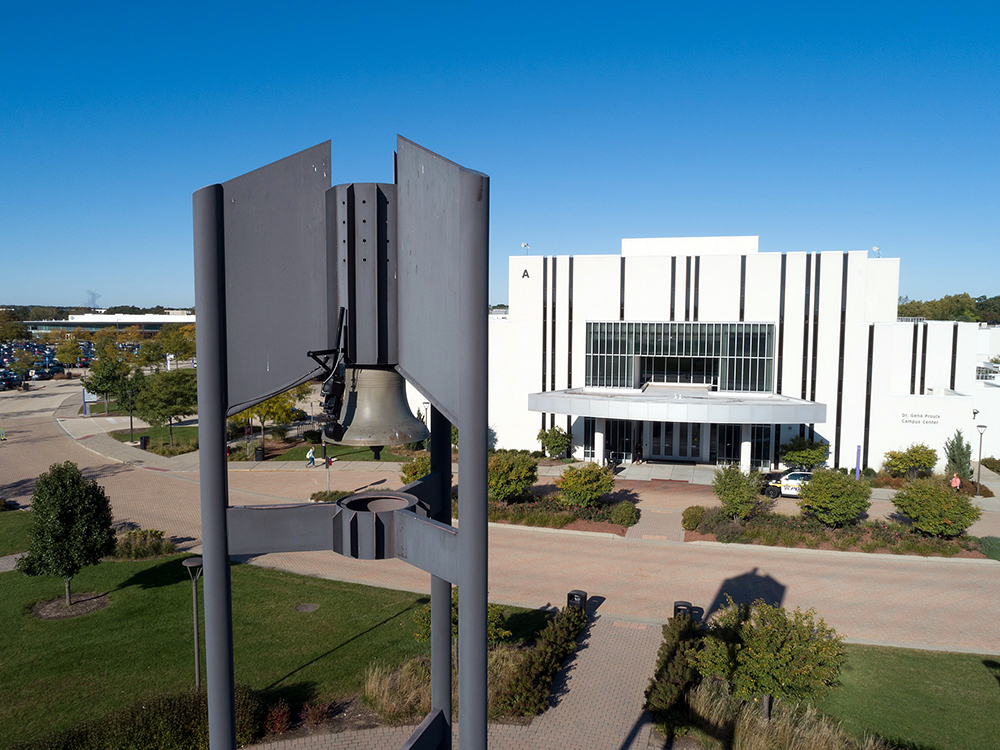
Joliet Junior College, City of Joliet to Explore Joint Public Safety Institute

WATCH: Illinois prison mail scanning rule faces lawmaker scrutiny

New Lenox Scout Prompts Multi-Agency Action on Neighborhood Traffic Safety

Meeting Summary and Briefs: Village of New Lenox Board of Trustees for September 2025
New Lenox Approves Nearly $43,000 in New Kitchen Equipment for Crossroads Sports Complex

New Lenox Extends Deadline for Sale of Maple Street Property

JJC Moves Forward with Major Technology Overhaul to Modernize College Operations
Meeting Summary and Briefs: Joliet Junior College Board of Trustees for August 20, 2025

Tensions Flare as JJC Chairman Rebukes “Entitlement” After Trustee Lists Demands