
Multiple House Republicans defy proposed 3-year FISA Section 702 extension
After two attempts last week to reauthorize a controversial spy power of the federal government, House Speaker Mike Johnson, R-La., has unveiled the text of a three-year extension.
The new proposal, however, fails to include key privacy reforms that dozens of House Republicans are demanding to Section 702 of the Foreign Intelligence Surveillance Act, which expires April 30.
“The United States Constitution is NOT a suggestion – the Fourth Amendment is the law of the land,” Rep. Keith Self, R-Texas, posted on X after the bill text dropped Thursday. “Warrantless searches of American citizens are ongoing. We cannot allow this gross abuse of government overreach to continue.”
Self had voted with more than a dozen other House Republicans to tank both a five-year extension and an 18-month extension of FISA Section 702 last Friday.
On paper, FISA Section 702 allows federal intelligence agencies to conduct warrantless electronic surveillance on foreign nationals of suspicion.
But in practice, the electronic data of American citizens – including emails, text messages, and phone calls – are routinely collected as well.
The major controversy lies in the fact that federal intelligence agents will routinely search through that database without obtaining a warrant, which many critics view as a violation of Americans’ Fourth Amendment Rights.
As part of the overall pushback against warrantless surveillance, Reps. Thomas Massie, R-Ky., and Lauren Boebert, R-Colo., introduced the Surveillance Accountability Act on Thursday as well.
The bill would not only prohibit federal agencies from searching or obtaining Americans’ metadata without a warrant based on probable cause, but would also allow individuals to sue for damages if the federal government infringes on their Fourth Amendment rights.
“There’s been a lot of talk about FISA and [Section] 702 and warrants for the past few weeks now, but I don’t think that’s where the issue ultimately lies,” Boebert told reporters. “Sure, it is a problem when anyone, any American citizen is looked into without a warrant, but it doesn’t end under FISA, it doesn’t end under 702.”
Declassified government documents and oversight reports show that federal intelligence agencies have performed millions of these so-called “backdoor searches” since FISA Section 702 was created, including 57,000 in 2023 alone.
The House Rules Committee will meet Monday to mark up the three-year extension. Both Democrats and Republicans on the committee are expected to object to the bill in its current form.




Rain Showers Likely then Mostly Cloudy
Latest News Stories

Meeting Summary and Briefs: New Lenox Community Park District for August 2025

Pavlov Media to Bring New Fiber Internet Option to New Lenox

Will County to Pay Enbridge $82,000 to Relocate Pipeline Equipment for Exchange Street Improvements

Laraway Road Widening Project in New Lenox and Frankfort Gets Additional $468,000 for Redesign

“Federal Policy Uncertainty” Blamed for Delay of Peotone Solar Farm; County Grants Second Extension
Will County Grants Extensions to Five Solar Projects Sold to New Developers
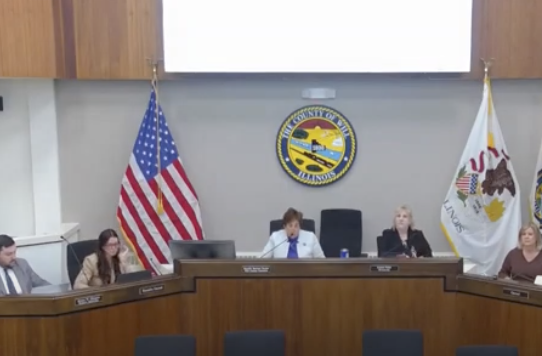
Will County Board Approves Controversial Drug Recovery Retreat in Crete Township

Winter Start Unlikely for $4 Million New Lenox Fire Station 62 Remodel

New LWSRA Sensory Bus Hits the Road Thanks to $30,000 Donation

Joliet Junior College Honors Seven Long-Serving Employees Upon Retirement
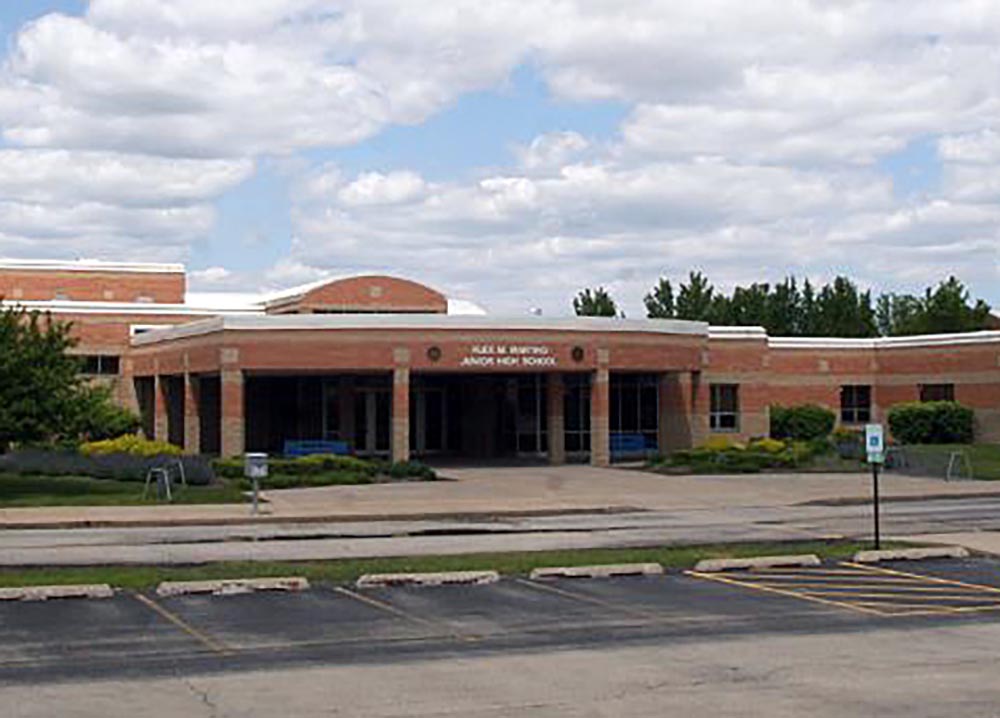
New Lenox Parent Challenges Busing Fee, Cites Safety Concerns and Budget Surplus
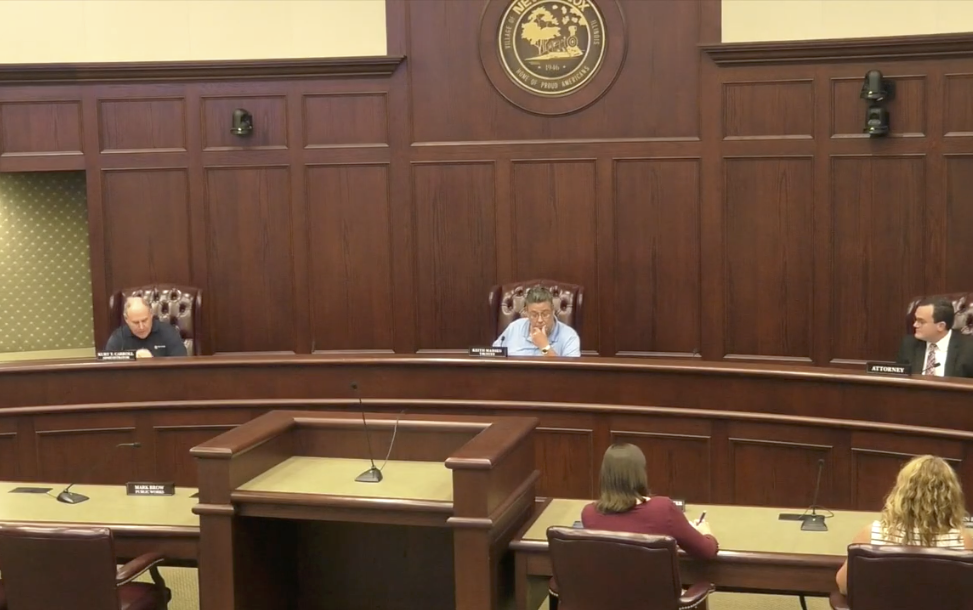
New Lenox Demands Over $422,000 From Developer to Complete Public Improvements