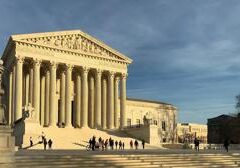
Supreme Court sides with service member in war zone suit
The U.S. Supreme Court, in a 6-3 decision, ruled in favor of an injured service member who sued a military contractor for negligence in a war zone.
The case, Hencley v. Fluor Corporation, focuses on service member Winston Hencley, who was injured in a 2016 suicide bombing in Afghanistan. The bomber was an Afghan worker under the Fluor Corporation, a military contractor.
Hencley argued the Fluor Corporation neglected to uphold its duties by allowing the bomber to be employed by the corporation. Lawyers for the Fluor argued that it could be sued due to its responsibility to the federal government as a military contractor.
The justices rejected the military contractor’s arguments. Justice Clarence Thomas, in the court’s majority opinion, said the Constitution did not support the military contractor’s arguments.
“Although the Constitution gives Congress and the President broad war powers, that assignment has never been understood to bar all war-related tort suits,” Thomas wrote in the court’s majority opinion.
Justices Samuel Alito, Brett Kavanaugh and Chief Justice John Roberts dissented from the majority opinion. The justices argued that state court judges should not be afforded the opportunity to decide litigation against contractors involved in a war zone situation.
“This state-law tort case is preempted by the Constitution’s grant of war powers exclusively to the Federal Government,” Alito wrote in the court’s dissenting opinion.




Sunny
Latest News Stories

WATCH: Arizona governor’s State of State stresses economy

Judiciary Comm. to take on bill targeting lawsuit investors
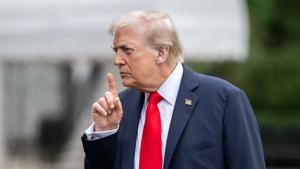
Trump announces 25% tariff on nations doing business with Iran

Illinois congressman hails health care win, experts question Senate path, costs

GOP senator wants budget transparency; Dems describe open process

WATCH: Illinois sues over public safety tactics around immigration enforcement
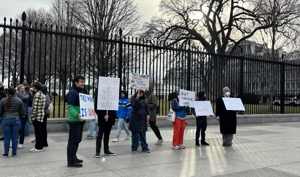
Illinois voices collide as Trump’s Maduro arrest fuels war powers debate

Illinois Supreme Court justice to retire

Bridge payment a ‘bandage,’ Illinois farmers say

Even with new rule, Illinois lawmakers could restrict inmate mail scanning

WATCH: States sue over funds; DHS responds to critics; Fed responds to investigation

Illinois quick hits: Child care funding unfrozen

Board Members Debate “Commitment to Truth” in Media Resolution