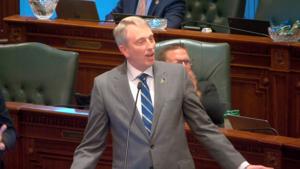

Millionaire’s tax proposal draws mixed reviews as deadline approaches
(The Center Square) – Supporters of a 3% surcharge on income more than $1 million have less than a month to move a resolution through the General Assembly in time to get the proposal before voters in November.
House Joint Resolution Constitutional Amendment 26 calls for a binding referendum to be placed on the general election ballot.
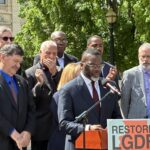
Former Gov. Pat Quinn joined state Rep. La Shawn Ford, D-Chicago, at a news conference in Chicago last week to urge support for the surcharge.
Quinn said people with homestead exemptions should be getting rebates from the state’s property tax relief fund.
“The problem is there’s no money in the fund right now. That’s why passing the millionaire’s surcharge only on millionaires can get the money, $4.5 billion to fund annual property tax rebates,” Quinn said.
Quinn said the resolution has a deadline of May 3 to be approved by three-fifths of the General Assembly in order for it to be on the Election Day ballot this year.
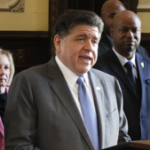
Although Quinn said the millionaire’s surcharge would generate $4.5 billion, current Gov. J.B. Pritzker said only about $2 billion would go likely go to property tax relief.
“It takes a lot of things, just like in dealing with pensions, you have to go at it from three or four or five or six angles in order to try to reduce the burden of local property taxes,” Pritzker said.
The governor said just keeping property taxes from going up would be a huge benefit to people.
The proposed amendment would permit income over $1 million to be taxed at 7.95% instead of 4.95%.
Illinois House Republican Leader Tony McCombie, R-Savanna, said the millionaire’s tax would drive people out of the state.
“People will leave. They have the money to do so. They will find loopholes to avoid it. Rather than looking at ways to raise taxes, we need to be looking at ways to lower taxes,” McCombie said.
Brian Costin of Americans for Prosperity Illinois said the amendment does not have the right mechanisms to actually lower property taxes.
“What you need to do is you need to limit the spending or limit the taxing powers of those local governments. That’s why Indiana, compared to Illinois, they have done such a better job of turning their economy around, turning their competitiveness around,” Costin told The Center Square.
Costin said property taxes in Indiana are half what people pay in Illinois.



Chance Rain Showers then Mostly Cloudy
Latest News Stories

Large Wisconsin data center tax breaks make benefits unclear
Panelists debate costs of energy legislation as Illinoisans struggle to pay bills

Hearing held after report on tax money funding woke ideology in nonprofit hospitals

Senate rejects both Republican and Democrat govt funding stopgaps, risking a shutdown

Human remains found near Leavenworth believed to be Travis Decker

House passes government funding patch, sending over to Senate

Illinois quick hits: ICE protests in Broadview; Edgar funeral services this weekend

WATCH: Pritzker’s office ‘troubled’ by ‘peacekeeper’ photo; 2 years of cashless bail

Will GOP act on $124B in Medicare insurance fraud?

New Lenox Food Pantry Sees Summer Demand Rise, Braces for Back-to-School Needs
What a terrorist designation could mean for Antifa

WATCH: Report says national student debt is over $1.6 trillion