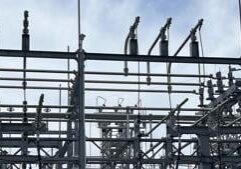
Energy affordability report ranks Illinois 31st, warns of ‘burdensome’ mandates
(The Center Square) – According to a new report on energy affordability, burdensome mandates are making Illinois more expensive.
The American Legislative Exchange Council’s Energy Affordability Report ranks Illinois 31st out of 50 states.
Lora Current, ALEC’s senior manager of the Energy, Environment & Agriculture Task Force, says Illinois has severe policies that will increase costs.
“We found that states who are just flat out more expensive in energy electricity, the common denominator is they have more burdensome mandates,” Current told The Center Square.
Current said Illinois gets 54% of its energy from nuclear generation, but the percentage may drop due to the state’s renewable portfolio standard of 100% by 2050.
“So that’s already going to put a cap on how much you can invest in nuclear energy. So those are just a couple of the things that Illinois really needs to be thinking about if you’re wanting to up your ranking and just lower the cost of electricity, of power, of energy in general for people in Illinois,” Current said.
The General Assembly passed legislation last fall to lift the state’s moratorium on large nuclear projects.
Current said state governments want to shut down coal and natural gas plants to meet renewable portfolio standards.
“We can look at clean energy such as wind or solar as a great energy source, but is it going to produce enough to cover, let’s say, a shut down coal plant? Is it going to produce enough to cover all of this 54% of nuclear that Illinois currently produces? And that’s where the math just doesn’t work,” Current said.
The ALEC report rankings are for the lowest average retail electricity prices in 2024.
Current said the report did not specifically address the impact of battery storage or data centers. She said the report also did not project numbers based on the U.S. conflict in Iran and a recent spike in fuel prices.
Current said lawmakers need to implement an Affordable Reliable Clean Security Act to consider energy source affordability.
“That really is the first step. If consumers can’t afford it, who cares how great it is? So is this an affordable solution? Is this then a reliable solution?” Current said.






Sunny
Latest News Stories

Everyday Economics: A stalled labor market and why the next data points matter

Assaults against ICE up 1300%, vehicular attacks up 3200%, death threats up 8000%
Bipartisan bill to cap annual deficits at 3% could curb debt growth

One year in, a ‘ho-hum’ jobs report

Five battleground governor’s races for 2026

Chicago Flips Red calls for audit after public schools report

Capital Imp Committee: Begins Drafting Policy to Regulate Artificial Intelligence in County Government

Public Health Committee Chair Demands Animal Control Agreements for Crete, Monee

Public Works Committee Considers Taking Over Kankakee County Line Road to Expedite Bridge Repairs

Trump signs order protecting Venezuelan oil revenue from legal claims

Retirements and resignations to impact midterms as balance of power at stake
U.S. Supreme Court to hear anti-oil cases with energy costs on the line

Constitutional concerns raised over Illinois’ first civil hate crime case

Peotone Man Charged With Disorderly Conduct, Criminal Damage at New Lenox Target