ALEC: State regulations drive up electricity prices
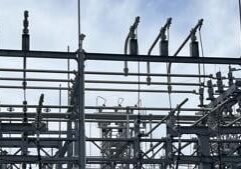
Electricity prices and other measures of consumer energy affordability are highest in states with the most extensive policy mandates, compliance requirements, and the most rigid regulatory structures, according to a report released Wednesday.
The American Legislative Exchange Council, a nonprofit organization whose members draft and promote model state legislation and legislative policies, contends states with Renewable Portfolio Standards, cap-and-trade programs, and broad net metering mandates generally face higher average electricity prices compared to states with freer, more competitive markets.
ALEC contends these policies can require utilities to purchase specified generation sources regardless of cost, acquire emissions allowances for carbon usage, or compensate rooftop solar owners through net metering at above-market rates.
“The costs of such activities are often passed down to consumers in an electric bill or at the gas station,” ALEC says.
“By contrast, states that emphasize market competition and regulatory predictability are more likely to maintain affordable energy for households and businesses,” ALEC concludes in the fifth edition of its Energy Affordability Report.
The three states in the contiguous United States with the lowest average retail electricity prices in 2024 are North Dakota at 7.93 cents per kilowatt-hour, Louisiana at 8.80 cents per kilowatt-hour, and Nebraska at 9.07 cents per kilowatt-hour, according to ALEC.
“These states consistently maintain electricity prices well below the national average of 13.69 cents per kilowatt-hour, reflecting policy environments that place relatively fewer regulatory mandates on electricity generation,” the report says.
The contrast between these low-cost states and higher-priced regions highlights a recurring pattern, according to ALEC. States that avoid burdensome or prescriptive mandates, such as renewable portfolio standards and cap-and-trade programs, generally achieve lower electricity costs for consumers and businesses, the analysis found.
California and Connecticut consistently rank among the most expensive states for electricity in the contiguous United States, with costs frequently exceeding 20–25 cents per kilowatt-hour, the data shows. The report attributes these high rates to rigid regulatory structures, including cap-and-trade programs and renewable portfolio standards.
To address these disparities, ALEC promotes a suite of Essential Policy Solutions intended to guide state legislators toward market-driven reforms. These recommendations include repealing or weakening renewable energy mandates; adopting an affordable, reliable energy strategy” that prioritizes dispatchable sources like natural gas and nuclear; and ensuring that traditional power plants are not retired before ready replacements are online.
According to ALEC, these reforms are necessary to restore regulatory clarity and ensure that affordability remains the primary goal of state energy policy.
To drive costs down, ALEC advocates for a shift toward market-based solutions, such as the Affordable, Reliable, and Clean Energy Security Act which the organization touts as a model for legislation at the state level designed to prioritize “dispatchable” power sources like coal, natural gas, and nuclear. ALEC maintains these energy sources must remain a cornerstone of state energy grids to ensure reliable and affordable electricity.
Beyond the ARC Act, ALEC is also calling on states to adopt measures like the Electric Reliability Act and the OPEN Act to prevent premature power plant closures. These model bills would require state regulators to prove that retiring existing coal or gas plants won’t trigger blackouts or price hikes before decommissioning. Additionally, the organization’s proposed State Nuclear Coordinator Act aims to streamline the permitting process for new nuclear projects, which ALEC identifies as a critical component of a long-term, affordable energy strategy.
Finally, ALEC encourages governors to withdraw from regional climate initiatives that implement cap-and-trade or other carbon reduction mandates. The organization’s State Withdrawal from Regional Climate Initiatives model resolution says these programs place a disproportionately high burden on lower-income households and increase consumer prices for essential goods like electricity, fuel, and food.
“Ultimately, energy affordability is not just a policy goal; it is a fundamental pillar of American prosperity,” ALEC concludes.
ALEC is the nation’s largest voluntary membership organization of state legislators with more than 2,000 members across the nation.




Sunny
Latest News Stories
Land Use Committee Advances Mokena Scrap Yard and Homer Glen Landscape Business Over Local Objections

District 210 Reports Insurance Deficit Amid National Healthcare Cost Spikes; Finances Remain Stable

Foxx to face questions about murder conviction review ‘investigations’

Illinois Quick Hits: North Chicago manufacturing expansion announced

Local government advocates oppose Pritzker plan to cut distributions
New Lenox Fire District Exploring Land Swap with Village for New Training Facility

WATCH: Illinois diversity leaders dodge questions as they slip farther from goals
Illinois Quick Hits: Road fund could help renovate Soldier Field
Planning Commission Backs 5-MW Peotone Solar Farm; Developer Pledges Pollinator Habitat and Community Funds

Joliet Junior College Board Approves $2 Tuition Increase Amidst Heated Debate Over Enrollment and Spending

New Lenox District 122 Kicks Off 2026-2027 Budget Cycle, Approves Minor Registration Fee Increase
New Lenox Park District Outlines Aggressive 2026 Development Plan, Addresses Crossroads Sinkhole

New Lenox Library Explores Rebranding Ahead of 25th Anniversary on the Commons
Lincoln-Way Board Ratifies Three-Year Support Staff Contract with Significant Hourly Raises