Health & Safety Committee: Opioid Overdose Deaths Drop to Zero in January as Behavioral Health Department Expands Role
Public Health & Safety Committee Meeting | February 5, 2026
Article Summary: The Will County Health Department reported a significant decline in opioid overdose deaths, recording zero fatalities in January 2026, as the Behavioral Health Division integrates substance use and mental health services.
Behavioral Health Update Key Points:
-
Zero Deaths: There were no recorded opioid overdose deaths in Will County in January 2026, following a downward trend of 64 deaths in 2024 and 30 in 2025.
-
Narcan Distribution: The county distributed 158 boxes of Narcan in January across 47 locations.
-
Integrated Care: The Behavioral Health Division is restructuring to treat substance use and mental health issues simultaneously (co-occurring disorders).
-
New Product: The county is transitioning to “Padagis,” a generic equivalent of Narcan, though the medication and delivery method remain identical.
JOLIET, IL – Will County saw no opioid overdose deaths in the first month of 2026, continuing a sharp downward trend in fatalities that health officials attribute to increased access to treatment and supply chain disruptions.
During the Public Health & Safety Committee meeting on Tuesday, February 5, 2026, Dr. Kathleen Burke, Behavioral Health Community Coordinator, reported that local opioid deaths dropped 54% previously and hit zero in January.
“It’s a good thing,” Burke said. “We’ve improved our services, access to services… if people can get help, which is the ultimate goal, that’s what we want to do.”
Burke noted that while the reduction in fentanyl supplies entering the country has helped, she fears a potential resurgence of heroin use as a substitute. To combat this, the county continues aggressive harm reduction efforts. In January alone, the department distributed 158 boxes of Narcan and participated in pop-up events at locations including the Northern Illinois Food Pantry in Crete and ShareFest in New Lenox.
The meeting also highlighted a structural shift in the Health Department. Burke’s role has expanded to cover all behavioral health, bridging the gap between mental health and substance use disorders. This integration aims to treat “co-occurring” conditions more effectively.
“We are working really hard to have a co-occurring type of treatment so that we have therapists on both sides working together,” Burke explained.
Additionally, the department has reduced wait times significantly. A new intake process and the addition of staff funded by the 708 Community Mental Health Board have allowed the Bolingbrook branch to see a 145% increase in clients, with appointment wait times for adults dropping to one week.


Partly Sunny then Showers And Thunderstorms Likely
Latest News Stories

Land Use Committee Advances Mokena Scrap Yard and Homer Glen Landscape Business Over Local Objections
District 210 Reports Insurance Deficit Amid National Healthcare Cost Spikes; Finances Remain Stable

Foxx to face questions about murder conviction review ‘investigations’

Illinois Quick Hits: North Chicago manufacturing expansion announced
Local government advocates oppose Pritzker plan to cut distributions
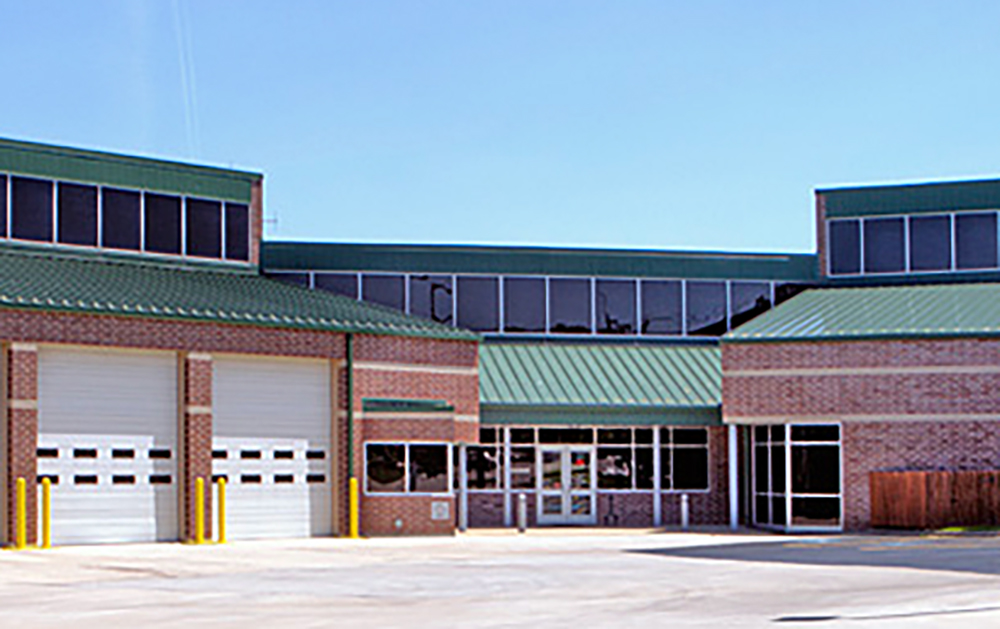
New Lenox Fire District Exploring Land Swap with Village for New Training Facility
WATCH: Illinois diversity leaders dodge questions as they slip farther from goals
Illinois Quick Hits: Road fund could help renovate Soldier Field

Planning Commission Backs 5-MW Peotone Solar Farm; Developer Pledges Pollinator Habitat and Community Funds
Joliet Junior College Board Approves $2 Tuition Increase Amidst Heated Debate Over Enrollment and Spending
New Lenox District 122 Kicks Off 2026-2027 Budget Cycle, Approves Minor Registration Fee Increase
New Lenox Park District Outlines Aggressive 2026 Development Plan, Addresses Crossroads Sinkhole

New Lenox Library Explores Rebranding Ahead of 25th Anniversary on the Commons
Lincoln-Way Board Ratifies Three-Year Support Staff Contract with Significant Hourly Raises