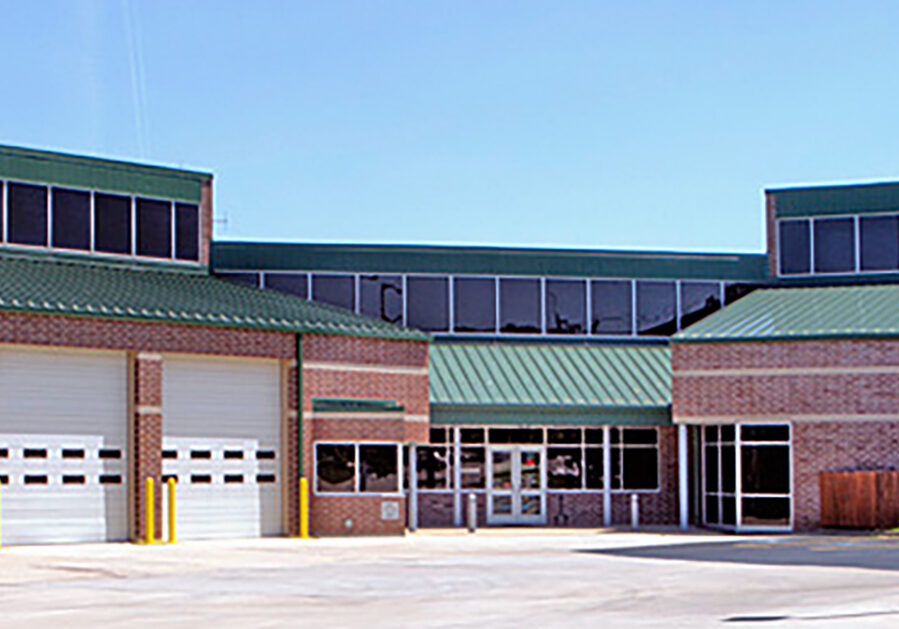
Fire District Adopts Ordinance Establishing Fees for Excessive Lift Assists
New Lenox Fire Protection District Meeting | Dec. 15, 2025
Article Summary: The Board of Trustees formally adopted a new ordinance aimed at regulating lift assist services within the district. The measure establishes reasonable fees for instances categorized as excessive lift assists.
New Lenox Fire Protection District Key Points:
-
New Ordinance: The Board adopted Ordinance No. 282.
-
Policy Focus: The ordinance establishes “Reasonable Fees for Excessive Lift Assists.”
-
Board Consensus: The measure was adopted with a unanimous vote by all five trustees.
The New Lenox Fire Protection District Board of Trustees on Monday, December 15, 2025, instituted a new policy regarding non-emergency assistance calls, voting to adopt Ordinance No. 282.
The ordinance is titled “Establishing Reasonable Fees for Excessive Lift Assists.” While specific dollar amounts and enforcement criteria were not detailed in the meeting minutes, the adoption of the ordinance signals a shift in how the district manages repeated requests for lift assistance.
The motion to adopt the ordinance was made by Trustee Scanlan and seconded by Trustee Fischer. It passed with “Yea” votes from Trustees Sauter, Scanlan, Fischer, Popp, and Levey.


Partly Sunny then Chance Showers And Thunderstorms
Latest News Stories
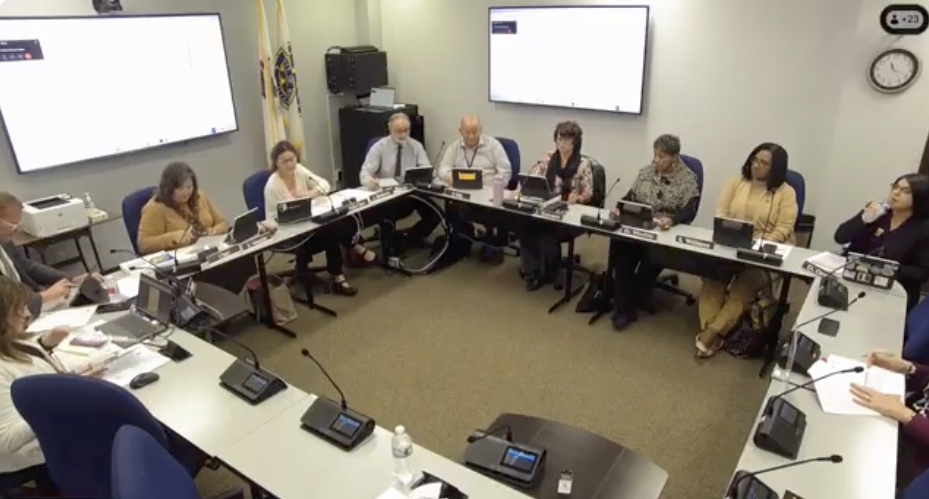
Will County Finance Committee Hits Impasse on 2025 Tax Levy, Postpones Budget Votes

Meeting Summary and Briefs: New Lenox Community Park District for September 2025

Federal court backs union on feds’ partisan emails

Senate Democrats propose new govt. funding deal; Republicans reject it

Trump administration will fully fund SNAP despite appeal

Report: Princeton ranked best university, best school overall

Trump blasts cost overruns at Obama Presidential Center in Chicago

Illinois quick hits: Get Covered Illinois premiums to spike

Colorado boosts WIC, food pantries amid D.C. stalemate

Aldermen oppose Chicago mayor’s ‘punishing’ head tax proposal

Critics slam Mamdani’s policies, push for free markets
Estimated power demand will outstrip supply by 2032