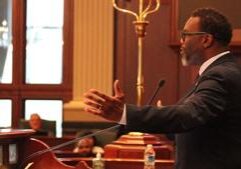
Chicago splits pension payments in hopes of Improving cash flow
(The Center Square) – Illinois State Rep. Dan Ugaste, R-Saint Charles, worries Chicago’s newfound plan to divide annual advance supplemental payments for its underfunded pensions into at least two installments could lead to just more mismanagement.
With taxpayers already on the hook for almost $260 million to the city’s four retirement systems as part of the 2026 budget, Mayor Brandon Johnson recently announced his administration would be making a partial payment in January while pushing a second down the line in hopes of loosening cash flow.
Ugaste argues nothing about the new plan gets at the root of what is causing so much stress for taxpayers.
“This is no way to run a government or if you were running a business,” Ugaste told TCS. “You don’t do things this way. You set aside the money you need for your obligations, and then you determine what’s left over for discretionary spending. The city of Chicago is doing just the opposite. They’ve decided the programs they want to spend on, then they’re trying to figure out ‘how do we find enough money to pay our obligations.’”
As it is, the city’s annually required pension contribution tops $2 billion, accounting for about 38% of overall revenue, while the state has long been home to some of the highest unfunded pension debt in the country.
“You have to look at it and say are they even going to have the money in the future to pay the other part they’re talking about paying down the line,” Ugaste said. “That’s got to be your biggest concern, especially given the history of pension payments, not just in Chicago but in the state. You did not set aside enough money to pay something that your own Supreme Court has told you you’re going to have to pay and cannot avoid it.”
In the end, Ugaste adds every taxpayer foots the bill for what he sees as ongoing mismanagement.
“It makes it more difficult to get people to work for your unit of government because it looks great to promise I’m going to give you a pension, but if you don’t fund your pension so that you can afford it, people may not want to come work there,” he said. “Two, you’re going to run into problems with making the payment and funding your pensions and that will ultimately affect how much people have to pay in taxes and at the end of the day because of mismanagement you’re chasing people away, chasing businesses away.”
City officials are on the record with a goal of bringing pensions to 90% funded over the next three decades.




Mostly Cloudy then Chance Showers And Thunderstorms
Latest News Stories

ISU’s union says it cheaper to negotiate than paying

Iran conflict, refinery disruption play roles as Illinois gas price passes $4.50

Lockport Pitching Shines in Combined One-Hitter to Secure 5-3 Victory Over Lincoln-Way Central

Illinois Quick Hits: Ex-East St. Louis librarian sentenced for fraud, theft

Lincoln-Way Central Auxiliary Field to Get $463,875 Artificial Turf Upgrade
New Lenox 122 Authorizes $1 Million iPad Refresh for Middle Grades

House committee advances FISA, farm, budget to floor vote

Comey indicted on charges of making threats against the president

Southwest worker wins $1M judgment against union in religious discrimination case

Prosecutors probe past comments of man charged in correspondents’ dinner attack

Age checks, algorithm regulations proposed to shield Illinois kids online

King Charles defends U.S., NATO alliance during address to Congress