House Republicans unveil framework for second ‘big, beautiful bill’
Just six months after Republicans in Congress passed their mammoth budget reconciliation bill, House Republicans are publicly pushing for a second ‘big, beautiful bill.’
Confirming earlier rumors, the 188-member Republican Study Committee released Tuesday a framework for a second party-line bill. The plan addresses homeownership rates, rising health care costs, energy prices, family policy and “wasteful” government spending.
RSC Chairman Jodey Arrington, R-Texas, explained in a Tuesday presser that many of President Donald Trump’s priorities remain unfulfilled and more work is needed to reverse the Biden administration’s “failed economic agenda.”
“This blueprint cuts costs where families feel it most – housing, health care, and energy – slashes woke and wasteful spending, and locks in President Trump’s deregulatory agenda through the only process Democrats can’t block: reconciliation,” Arrington stated. “We have 11 months of guaranteed majorities. We’re not wasting a single day.”
He added that with affordability being “the most important issue for November,” Republicans need “to double down like never before.”
Some of the policies outlined in the Making the American Dream Affordable Again reconciliation framework, available here, include:
Eliminating capital gains tax on the sale of homes to first-time home buyers.Repealing the estate tax, or “death tax.”Imposing large taxes on foreign nationals who purchase land or real estate in the U.S.Providing another option for people to buy low-premium health insurance plans by creating a marketplace separate from the Affordable Care Act Marketplace. Reforming the existing ACA subsidy structure so that money goes directly to patients rather than to health insurance companies.Requiring pharmacy benefit managers (PBMs) to pass on a portion of their rebates directly to patients.Expanding access to paid family leave and certain child tax credits.Permanently freezing federal funding for large abortion providers.Slashing permitting, environmental, and other regulatory requirements for energy production projects while taxing third-party litigation against such projects.
The entire framework, if implemented, would also reduce deficits by an estimated net $1 trillion over the next decade, RSC said.
That number is of particular note, given that Republicans’ previous budget reconciliation bill is expected to cost roughly $3.3 trillion over the next 10 years. The price tag is mainly due to the legislation – dubbed the One Big Beautiful Bill Act – codifying the bulk of the 2017 Tax Cuts and Jobs Act.
Fiscal watchdogs have been urging Congress to reduce spending as the national debt is projected to surpass $53 trillion by 2035.
The U.S. government added $602 billion to the national debt in the first three months of fiscal year 2026 alone, the U.S. Treasury confirmed Tuesday.



Showers And Thunderstorms
Latest News Stories
Land Use Committee Advances Mokena Scrap Yard and Homer Glen Landscape Business Over Local Objections
District 210 Reports Insurance Deficit Amid National Healthcare Cost Spikes; Finances Remain Stable

Foxx to face questions about murder conviction review ‘investigations’

Illinois Quick Hits: North Chicago manufacturing expansion announced
Local government advocates oppose Pritzker plan to cut distributions
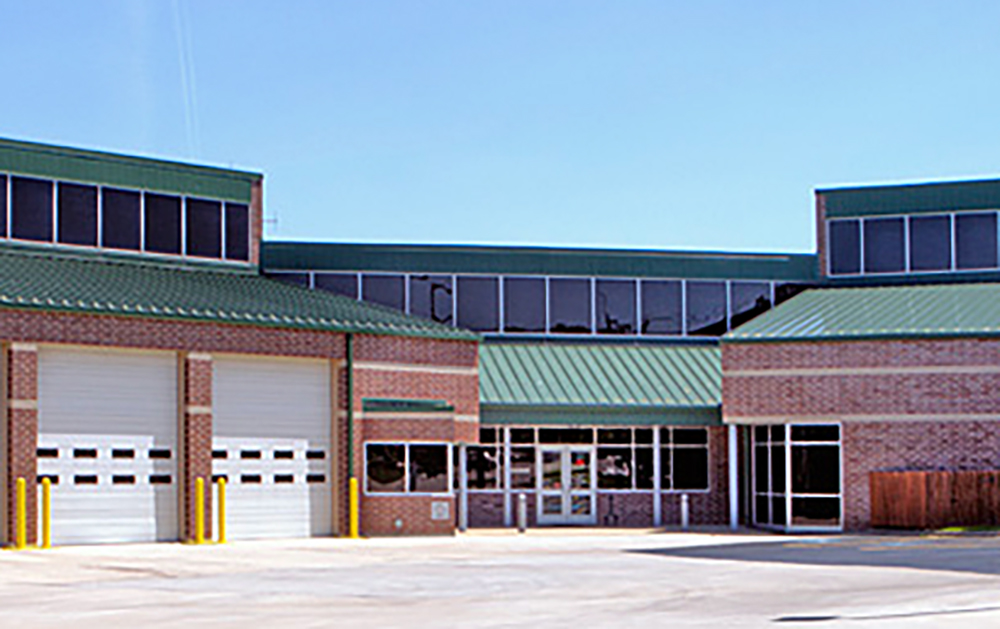
New Lenox Fire District Exploring Land Swap with Village for New Training Facility

WATCH: Illinois diversity leaders dodge questions as they slip farther from goals
Illinois Quick Hits: Road fund could help renovate Soldier Field

Planning Commission Backs 5-MW Peotone Solar Farm; Developer Pledges Pollinator Habitat and Community Funds
Joliet Junior College Board Approves $2 Tuition Increase Amidst Heated Debate Over Enrollment and Spending
New Lenox District 122 Kicks Off 2026-2027 Budget Cycle, Approves Minor Registration Fee Increase
New Lenox Park District Outlines Aggressive 2026 Development Plan, Addresses Crossroads Sinkhole

New Lenox Library Explores Rebranding Ahead of 25th Anniversary on the Commons
Lincoln-Way Board Ratifies Three-Year Support Staff Contract with Significant Hourly Raises