IL state lawmaker pushes back as analysis finds municipalities lost $10.9B
(The Center Square) – A new Illinois Policy Institute analysis estimates local governments have lost $10.9 billion since 2012 due to reduced state revenue sharing, prompting pushback from a state lawmaker.
The change stems from a decision more than a decade ago to lower the Local Government Distributive Fund, or LGDF, from 10% of state income tax revenues to less than 7%, a move that continues to squeeze city and town budgets statewide, according to state Rep. Steve Reick, R-Woodstock.
“It goes back to a deal made when Illinois adopted the income tax,” said Reick. “Local governments agreed not to impose their own income taxes in exchange for a guaranteed share of state revenue. When the state changed the percentage in 2012, municipalities were pushed to the back of the bus.”
Illinois Policy author Patrick Andriesen said the 2012 reduction was initially framed as temporary during a budget crisis under then-Gov. Pat Quinn, but the funding was never restored.
“The understanding at the time was that once the state got out of that tight spot, the share would go back to 10%,” Andriesen said.
According to the analysis, returning LGDF to 10% in 2024 alone would have sent roughly $1.17 billion more to municipalities. Instead, many local governments have turned to higher property taxes, fees and borrowing to cover basic services, according to Andriesen.
“The state took away revenue, then handed local governments the political heat,” Reick said. “People don’t yell at Springfield officials at the grocery store. They yell at their mayor.”
Reick said pension costs for police and fire have done nothing but increase, and those are non-negotiable.
“Home rule communities have more flexibility when it comes to raising revenue, but non-home rule municipalities have to go to referendum,” Reick said. “If the state isn’t going to step up, I wouldn’t oppose giving local governments limited home rule authority to address revenue needs and ease taxpayer fatigue.”
Andriesen said LGDF funding makes up about 25% of day-to-day municipal operations, leaving smaller communities especially vulnerable when state support declines.
“Chicago can introduce new taxes and spread the cost across millions of people,” Andriesen said. “Smaller towns in central and southern Illinois don’t have that luxury. They’re reaching a boiling point.”
Some lawmakers have floated allowing municipalities to levy local income taxes. Andriesen said that approach would further strain residents.
“We’d just be feeding the fire,” he said. “Illinoisans are already paying some of the highest taxes in the country. Asking them to pay even more for the same services isn’t reform.”
Reick argued the issue reflects spending priorities at the state level, pointing to recent budget growth.
“We’re running a $50-plus billion state budget,” he said. “We spent about a billion dollars to insure illegal immigrants. That’s a billion dollars that could have gone to local governments to ease their suffering.”
Andriesen said restoring LGDF to its previous level would offer a direct path to property tax relief, if lawmakers are willing to give up control of the revenue.
“This was money meant to keep local taxes down,” Andriesen said. “Returning it would put resources closer to the people who know best how to use it and give taxpayers a real break.”

Showers And Thunderstorms
Latest News Stories

Trump says inflation data shows Fed can cut interest rates
Allstate homeowners rate hike sparks debate over Illinois insurance oversight
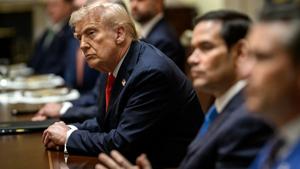
Trump tells Iranian protesters help is on the way, encourages uprising

Sen. Kelly sues Hegseth over effort to reduce retirement pay

Illinois interstate shootings decline
WATCH: State sues Trump admin over enforcement tactics; No tax on tips proposal filed

Will the Clintons testify on Epstein relationship this week?
Dems move to almost entirely block fed immigration enforcement in IL
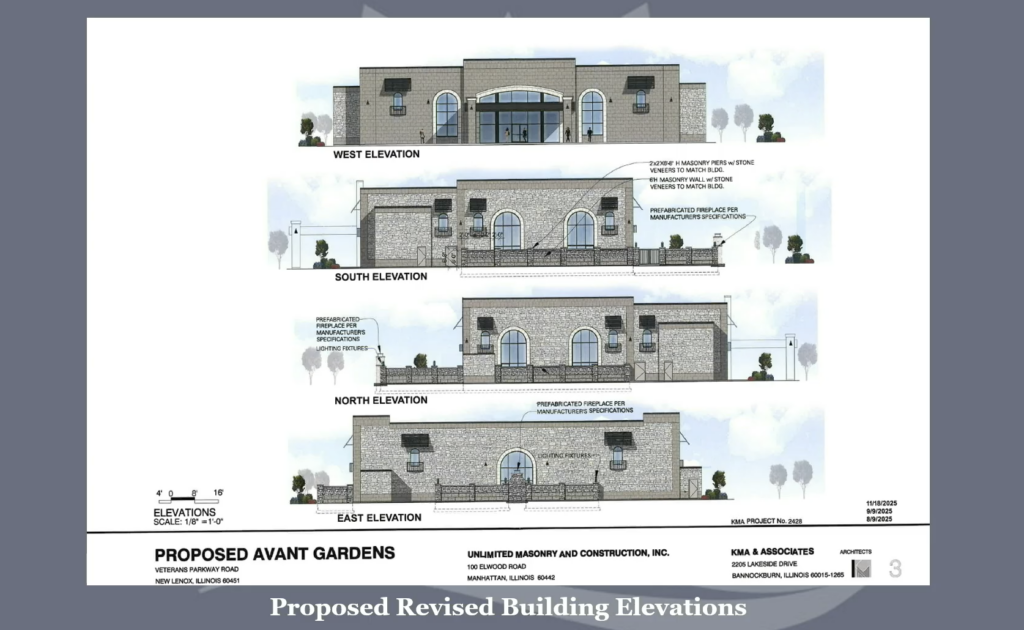
Village Board Stalls Avant Gardens Request to Scrap Glass Enclosure
Capital Imp Committee: Facilities Director Reports on VAC Progress and Critical Health Department Elevator Repairs
‘Good Food For All’ Initiative Proposes Local Agricultural Asset Mapping for Will County
Public Works Committee Advances $3.2 Million Engineering Contract for Mills Road Reconstruction