
Costly refugee funding on the table as they rake in over a dozen taxpayer benefits
As American taxpayers are plagued with high housing costs, rising medical expenses and other costs, many refugees continue to qualify for over a dozen costly federal benefits, as Congress could decide to continue the quadrupled funding for the program.
Hundreds of thousands of refugees were admitted into the U.S. during the Biden administration, including from countries such as Afghanistan and Somalia, resulting in skyrocketing funding for the Refugee and Entrant Assistance programs.
The funding rose from less than $2 billion in fiscal year 2021, the last year of President Donald Trump’s first term, to nearly $9 billion the next fiscal year – the first year of former President Joe Biden’s administration.
As American taxpayers are growing frustrated with the high cost of living and allegations of fraud centering around Somali refugees, taxpayers remain on the hook for billions of dollars, as many refugees continue to qualify for over a dozen taxpayer-funded benefits.
One of the largest refugee groups is tens of thousands of Afghan evacuees, including the gunman charged in the shootings of two National Guard members, killing one just blocks from the White House the day before Thanksgiving.
Following the pullout of American forces from Afghanistan in 2021, the Biden administration admitted nearly 200,000 evacuees between 2021 and 2023.
The influx of Afghan refugees contributed significantly to the substantial increase in refugee funding.
The benefits refugees are eligible to receive include: Supplemental Security Income (SSI), Supplemental Nutrition Assistance Program (SNAP), Women, Infants and Children (WIC), HUD Public Housing and Section 8 housing vouchers, emergency Medicaid, Affordable Care Act health plans and subsidies, full-scope Medicaid, Children’s Health Insurance Program (CHIP), federal student aid and Pell grants, REAL ID, Workforce Innovation and Opportunity Act services, refugee resettlement programs through the Office of Refugee Resettlement and Temporary Assistance for Needy Families (TANF), according to the National Immigration Law Center.
For those who didn’t qualify for SSI or TANF, refugees were eligible for up to 12 months of Refugee Cash Assistance (RCA) through the ORR.
In addition, many refugees qualified for employment assistance through Refugee Support Services, which included: childcare, transportation, “employability services,” job training and preparation, job search assistance, placement and retention, English language training, translation and interpreter services and case management, according to the Administration for Children and Families Office of Refugee Resettlement.
The ORR also noted that “some clients may be eligible for specialized programs such as health services, technical assistance for small business start-ups and financial savings.”
Many refugees also qualified for “immigration-related legal assistance” to assist them “on their pathway to obtaining a permanent status.”
Congressionally-appropriated spending on refugee and migrant assistance programs skyrocketed under the Biden administration, totaling roughly $30 billion over those four years.
In particular, lawmakers significantly increased appropriations for the Refugee and Entrant Assistance programs – housed in the U.S. Department of Health and Human Services – which provide the benefits to eligible refugees.
In fiscal year 2021, the last year of Trump’s first term, Congress appropriated $1.91 billion for REA programs. That number shot up to $8.92 billion the following year, coinciding with the influx of Afghan refugees and record-high border crossings.
Total federal assistance for refugee programs in fiscal year 2023, however, reached $10 billion, as an OpenTheBooks investigation highlighted.
Approximately $6.42 billion of that amount came from the annual HHS appropriations bill, while lawmakers added an additional $2.4 billion of “emergency” designated spending on REA programs in a supplemental appropriations bill. The remaining $1.53 billion, tucked into another supplemental appropriations bill, went to the Department of State for “migration and refugee assistance.”
Spending on REA programs decreased slightly in the last fiscal year of Biden’s term, with the fiscal year 2024 appropriations bill and another supplemental emergency appropriations bill together allocating more than $8.6 billion.
Despite the multitude of costly taxpayer services provided to refugees, some groups in particular, including Afghans and Somalians, continue to have higher rates of poverty, many continuing to rely on taxpayer-funded programs.
The Migration Policy Institute reported that Afghan refugees “are less likely to be proficient in English, have lower educational attainment, and lower labor force participation” compared to other immigrants in the U.S. Additionally, “compared to both the native born and the overall foreign-born population, they are much more likely to be living in poverty.”
The institute highlighted the “relatively low labor force participation rate” of Afghan immigrants ages 16 and older, showing that in 2022, 61% were in the civilian labor market, compared to 67% of other immigrant populations and 63% of U.S.-born individuals.
Afghan immigrants have a higher poverty rate compared to the American and foreign-born populations. As of 2022, 39% of Afghan nationals were living in poverty, compared to 12% of Americans and 14% of other immigrant populations.
A report from the Center for Immigration Studies shows that about 80% of Somalians resettled in Minnesota rely on some form of taxpayer-funded welfare program.
Between 2014 and 2023, 81% of Somali immigrant households received some form of welfare, including 78% of Somalis who had been in the country for more than 10 years.
When Congress returns this week, lawmakers will have less than a month to pass the remaining nine appropriations bills that fund federal agencies in fiscal year 2026, including a bill for Labor, Health and Human Services, and Education, with a total of $5.69 billion allocated for refugee assistance services.
Senate Majority Leader John Thune, R-S.D., intends to hold a vote on a five-bill appropriations minibus, which includes the Labor-HHS bill, as soon as lawmakers return.



Mostly Sunny
Latest News Stories
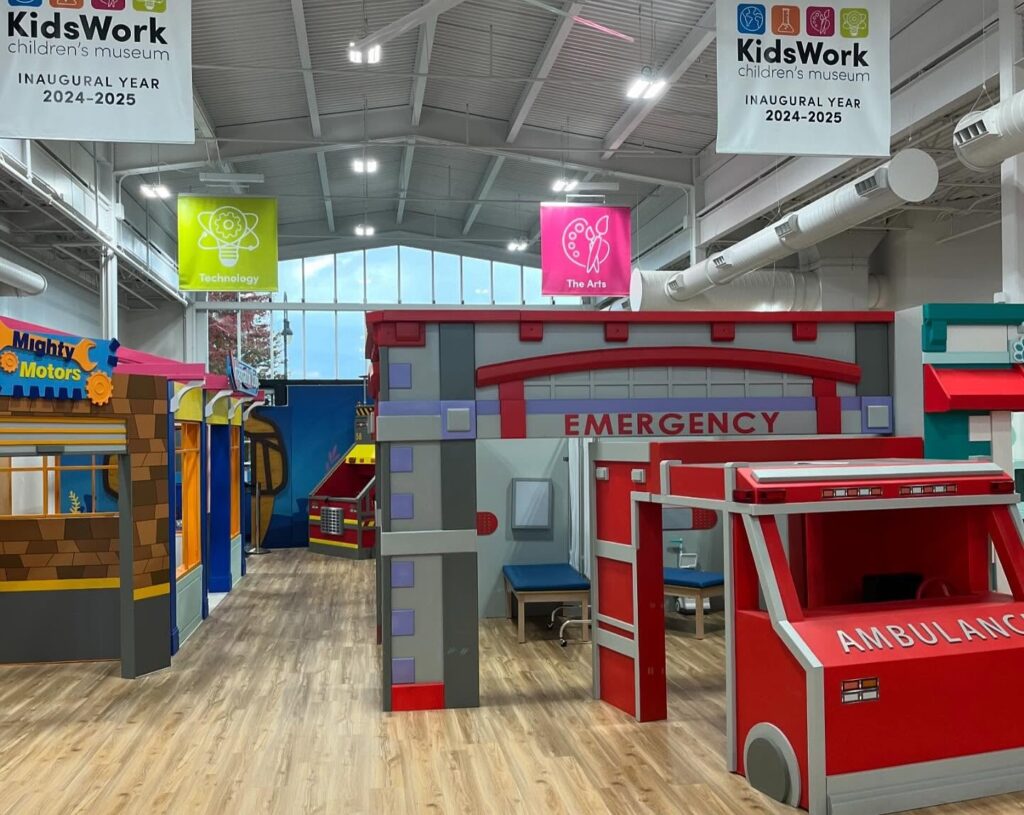
KidsWork Children’s Museum to Install New Crane Exhibit
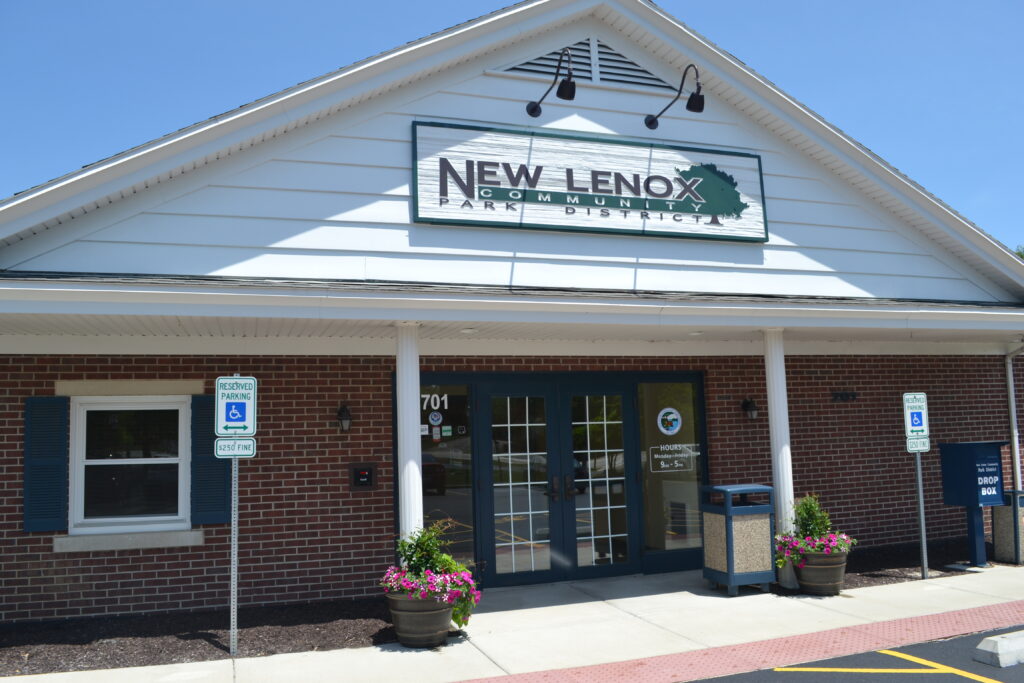
New Lenox Park Board Slated to Honor Youth Football and Cheerleading Champions

Northern Builders Development Brings Changes to Laraway and Gougar Roads in New Lenox

Meeting Summary and Briefs: Will County Public Works & Transportation Committee for January 6, 2026

County Board Debates Legislative Agendas; State Agenda Passes, Federal Agenda Sent Back

District 210 Updates Online Course Policy and Increases Summer School Fees
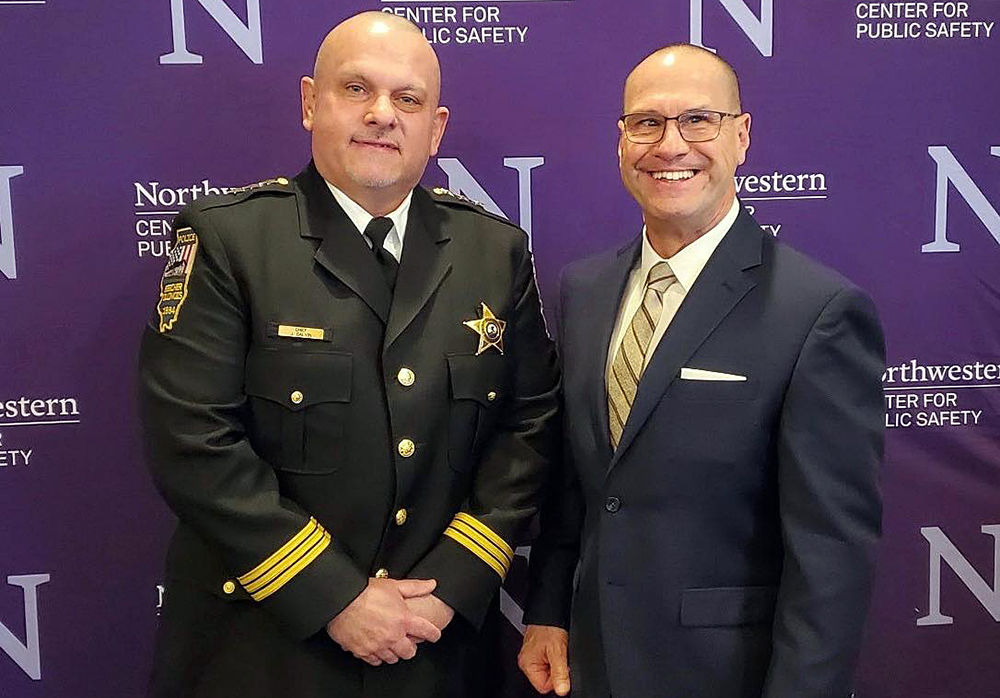
Corporal Ingram completes elite leadership training program
Meeting Summary and Briefs: Will County Board Executive Committee for January 8, 2026

Automatic Sprinklers Contain Industrial Fire in New Lenox

Pritzker signs Clean Slate Act to automatically seal some criminal convictions

Blaze Destroys Building and Food Truck at Woldhuis Sunrise Nursery

Freight Clusters Drive Push for Overhaul of Wilmington-Peotone Road; County Advances Broader 2050 Plan