IL dyslexia screening takes effect Jan. 1, drawing reading instruction debate
(The Center Square) – As Illinois rolls out a new law requiring early literacy screenings beginning Jan. 1, some educators question whether it will solve reading issues or just mislabel children as dyslexic.
Senate Bill 1672 requires public school districts to conduct early literacy screening testing and report data for students in kindergarten through third grade. Supporters say the mandate will catch reading problems earlier, while critics argue it risks mislabeling students as dyslexic instead of fixing flawed reading instruction.
Sarah Fletcher, head of school at White Horse Academy, said many signs of dyslexia stem from how reading is taught, not a learning disorder.
“I think it goes back to whole language learning, where students look at parts of words or letter patterns and use context or picture clues to figure out a word, instead of phonics,” she said. “They see a few familiar letters and guess what word might make sense in the sentence, and as crazy as that sounds, I do think that’s how reading is taught in public schools.”
Fletcher also linked the rise in dyslexia diagnoses to changes in handwriting instruction. She said that as schools shifted from teaching cursive to manuscript, children faced greater challenges forming letters correctly, which can mimic signs of dyslexia.
“Manuscript is actually harder for kids to learn than cursive,” she said. “You pick up your hand more often, and kindergartners struggle with left and right, so letters can end up the wrong way. Over time, that can look like dyslexia, and in some cases, even contribute to it.”
While Fletcher emphasized that identifying struggling readers early is better than doing nothing, she said screening alone will not solve Illinois’ literacy challenges without a shift in how reading is taught.
“Screening kids is good, and it’s better to know than not know,” Fletcher said. “But sometimes you’re creating a problem, then spending extra time and money to fix it, instead of teaching reading correctly in the first place.”
Fletcher emphasized that a phonics-based approach, such as Orton-Gillingham, can prevent reading struggles before they start.
“At my school, we use a skills-based assessment called [Dynamic Indicators of Basic Early Literacy Skills], which looks at phonics and letter-sound recognition without just labeling kids dyslexic,” she said. “You’re monitoring the skills they should be learning, like segmenting words and phonological awareness, so interventions are targeted and effective.”
The Orton-Gillingham approach is a multisensory, structured method for teaching reading and spelling, especially effective for students with dyslexia. It breaks language into sounds and syllables, building skills cumulatively through sight, sound, touch and movement. Developed by Dr. Samuel Orton and Anna Gillingham, it’s personalized to help learners master language, not just memorize words.
Fletcher also raised concerns about declining emphasis on spelling in some districts. She noted that some districts have eliminated spelling lists and tests, which she believes can affect reading development.
“Good spellers are almost always good readers,” Fletcher said. “Writing, spelling and reading are all interconnected. Doing away with one affects the others, and that could make more students appear dyslexic than they really are.”





Sunny then Slight Chance Showers And Thunderstorms
Latest News Stories

Jan. 1 law lets Illinois veterinarians skip rabies shots for at-risk pets

New Lenox Library Board Approves Tax Levy and 2025 Financial Audit
Meeting Summary and Briefs: Lincoln-Way Community High School District 210 for December 18, 2025
Homer Glen Landscape Business Granted Extension Due to Utility Delays

New Lenox Park District Approves 2025-2026 Tax Levy Ordinance
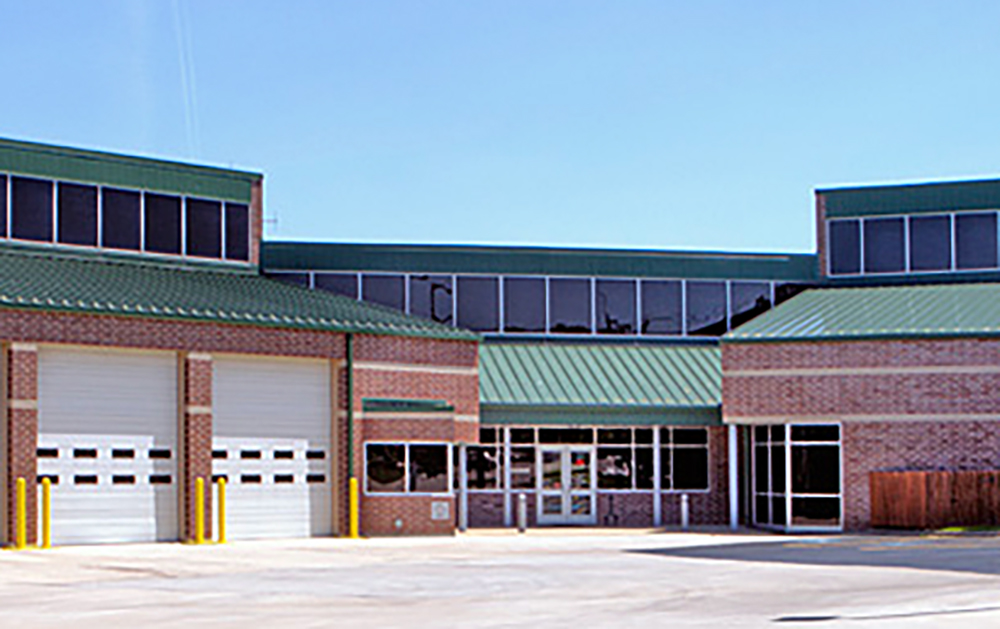
New Lenox Fire District Adopts 2026 Budget and 2025 Tax Levy

Chicago school board raises tax levy on families ‘at a breaking point’

Lake Co. Circuit Clerk can’t undo $2.5M verdict for workers fired over politics
Illinois quick hits: McClain reports to prison
New Lenox Used Car Dealership Approved with Conditions
Meeting Summary and Briefs: New Lenox Township Board for Nov. 13, 2025

Op-Ed: How one puppy mill-teliant retailer is preempting local laws