
Study: K-12 public spending nears $1 trillion in U.S.
School districts across the country have significantly increased spending since 2020, even as they face steep declines in student enrollment and academic performance, according to a new analysis from the Reason Foundation.
The report finds American public schools are nearing $1 trillion in annual spending, almost a 35% increase between 2002 and 2023. During that period, the average per-student spending rose from $14,969 to $20,322.
California stands out as one of the highest-spending states. According to the study, the state now spends $25,941 per student, placing it among the top eight nationally. The sharpest growth has occurred in just the past few years.
Since the pandemic, California’s per-student spending has surged 31.5%, rising from $19,724 in 2020 to its current level.
Since 2020, California public schools have lost 318,532 students, a trend that education experts say raises serious questions about how resources are being used.
Lance Izumi, senior director of education studies, told The Center Square in an exclusive interview that the disconnect between spending and academic outcomes is troubling.
“It’s very difficult to look at these cries for more funding as anything more than just funding the adults in the system and not helping the students,” Izumi said.
He added that public schools are facing increased competition from alternatives such as charter schools, private schools and homeschooling. “Public schools are hurting because there’s competition, and people are deciding the alternatives are better.”
Izumi also pointed to longstanding educational issues.
“We’ve condemned a generation of students to poor reading and illiteracy because California moved away from phonics-based reading despite decades of evidence that the science of reading works,” he said. “Evidently, the spending had no impact and was unable to overcome the poor teaching methodologies and curriculum the state was forcing on teachers and students.”
Izumi described the system as increasingly focused on equity at the expense of academic rigor.
“Too many schools emphasize equity over merit … they want the same outcomes regardless of effort,” Izumi said. “You’re seeing elimination of D’s and F’s, lowering the bar for an A, massive grade inflation … These kids were lied to and told they were doing great when they weren’t.”
Izumi highlights that these clearly declining standards have impacted the decline in academic results.
“California needs to go back to emphasizing merit, hard work, high standards, phonics, traditional math, real consequences for misbehavior and actual excellence instead of engineered equal outcomes,” Izumi said.
Aaron Smith, director of education reform at the Reason Foundation, told The Center Square that teacher pension costs are a driver of increased spending.
Employee benefit costs have jumped 134.9% since 2002, and the California State Teachers’ Retirement System reported $85.5 billion in debt in 2024.
“Research shows that teacher pension debt is driving this trend, the state failed to set aside enough money to cover teacher pension promises, and now the bill is coming due,” Smith said.
Smith also emphasized that academic challenges remain severe despite higher spending. “Nearly 44% of fourth graders can’t read at a basic level, yet public schools have taken on other responsibilities that have little to do with academics.”
To reverse California’s downward trajectory, Smith argued lawmakers must confront the structural issues in K–12 finance.
“Policymakers need to address structural problems in K-12 finance, like paying down pension debt, focusing resources on academics, and closing under-enrolled schools that spread resources thin,” Smith said. “It’s really simple stuff, but public schools have drifted too far from their academic mission.”


Sunny
Latest News Stories
Land Use Committee Advances Mokena Scrap Yard and Homer Glen Landscape Business Over Local Objections
District 210 Reports Insurance Deficit Amid National Healthcare Cost Spikes; Finances Remain Stable

Foxx to face questions about murder conviction review ‘investigations’

Illinois Quick Hits: North Chicago manufacturing expansion announced
Local government advocates oppose Pritzker plan to cut distributions
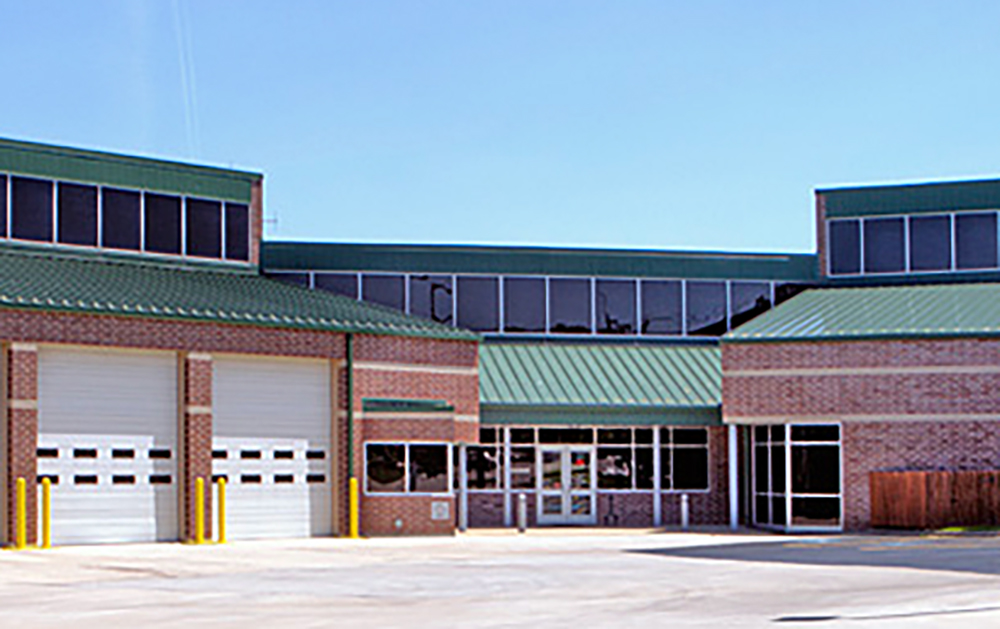
New Lenox Fire District Exploring Land Swap with Village for New Training Facility
WATCH: Illinois diversity leaders dodge questions as they slip farther from goals

Illinois Quick Hits: Road fund could help renovate Soldier Field

Planning Commission Backs 5-MW Peotone Solar Farm; Developer Pledges Pollinator Habitat and Community Funds
Joliet Junior College Board Approves $2 Tuition Increase Amidst Heated Debate Over Enrollment and Spending
New Lenox District 122 Kicks Off 2026-2027 Budget Cycle, Approves Minor Registration Fee Increase
New Lenox Park District Outlines Aggressive 2026 Development Plan, Addresses Crossroads Sinkhole

New Lenox Library Explores Rebranding Ahead of 25th Anniversary on the Commons
Lincoln-Way Board Ratifies Three-Year Support Staff Contract with Significant Hourly Raises