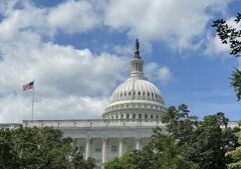
Illinois patient relies on ACA tax credits, experts warn they drive higher premiums
President Donald Trump signed a House-passed short-term spending bill late Wednesday, ending the shutdown and keeping the government open through January, notably without the Affordable Care Act tax credit extensions Democrats had sought to include in the deal.
House Democrats plan to push for a vote on a three-year extension of expiring ACA tax credits after Republicans left the issue out of the Senate reopening deal.
In a video, an Illinois attorney says she relies on Affordable Care Act tax credits to cover a $580-a-month implant, but experts warn the expanded subsidies drive higher premiums and long-term healthcare costs.
U.S. Sen. Tammy Duckworth highlighted Jan’s story on social media, showing how ACA tax credits help her afford a $580-a-month medical implant.
“If I lose the insurance, there’s no way I could pay that, or the $36,000 it would cost to have it removed. What am I going to do… have some guy off the street, like a hack, take it out? Especially if prices triple like they’re predicting. That’s my healthcare story. This craziness from this administration has to stop,” said Janet Buttron in the video.
While stories like Buttron’s highlight the immediate need for financial relief, critics argue that the ACA’s premium tax credits, especially the enhanced COVID-era versions, have contributed to rising insurance premiums and healthcare inflation.
William McBride is a chief economist at the Tax Foundation.
“There are the enhanced versions, the COVID credits, which were first enacted in 2021 on a temporary basis. These are on top of the original Affordable Care Act premium tax credits, which were designed for people earning up to about four times the poverty level,” said McBride. “The enhanced credits now also apply to higher-income individuals while providing more generous subsidies for lower-income people. The effects aren’t entirely clear and need to be determined empirically. But studies going back to the original enactment of the ACA in 2014 indicate that the law and its subsidies caused premiums to rise considerably in the first few years, and prices have continued to increase since then.”
McBride says the “scary stories” of America’s healthcare system continue, even after the ACA and its enhanced tax credits failed to fix them.
McBride warned that the enhanced tax credits may be inflating healthcare costs.
“Over $5 trillion was spent on pandemic relief programs, and this was just one of many, including an expanded child credit,” said McBride. “Basically, we’re talking about healthcare inflation and rising prices, but more broadly, these spending surges are now being pointed to as the main cause of the return of high inflation. So, it’s not just a healthcare inflation problem – the government has clearly spent far too much.”
He also criticized the structure of the tax credits themselves. Rather than direct payments to healthcare providers or flexible vouchers, the ACA requires consumers to buy specific insurance plans through government exchanges.
“It prescribes a convoluted set of requirements that increases costs and disconnects consumers from their own healthcare decisions,” McBride said. “When consumers are disconnected, no one is watching prices, and costs inevitably rise.”
While the credits provide immediate financial relief for roughly 20 million Americans, McBride warns they indirectly inflate healthcare costs.
“You’re funneling over $100 billion a year into insurance companies, encouraging consumers to purchase more expensive plans,” he said. “When demand surges without a similar increase in supply, prices go up.”
The economist highlighted administrative inefficiencies, including red tape and paperwork, which add to costs without improving care.
McBride called for a freer market approach, with consumers more directly involved in selecting healthcare based on price and quality.
“Right now, ACA subsidies and other programs disconnect consumers from their own healthcare,” he said. “No one is watching prices, and the costs ultimately get passed on to everyone in the form of higher premiums.”



Partly Sunny then Showers And Thunderstorms Likely
Latest News Stories

Land Use Committee Advances Mokena Scrap Yard and Homer Glen Landscape Business Over Local Objections

District 210 Reports Insurance Deficit Amid National Healthcare Cost Spikes; Finances Remain Stable

Foxx to face questions about murder conviction review ‘investigations’

Illinois Quick Hits: North Chicago manufacturing expansion announced
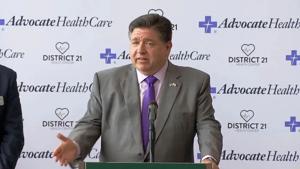
Local government advocates oppose Pritzker plan to cut distributions

New Lenox Fire District Exploring Land Swap with Village for New Training Facility

WATCH: Illinois diversity leaders dodge questions as they slip farther from goals

Illinois Quick Hits: Road fund could help renovate Soldier Field

Planning Commission Backs 5-MW Peotone Solar Farm; Developer Pledges Pollinator Habitat and Community Funds

Joliet Junior College Board Approves $2 Tuition Increase Amidst Heated Debate Over Enrollment and Spending

New Lenox District 122 Kicks Off 2026-2027 Budget Cycle, Approves Minor Registration Fee Increase
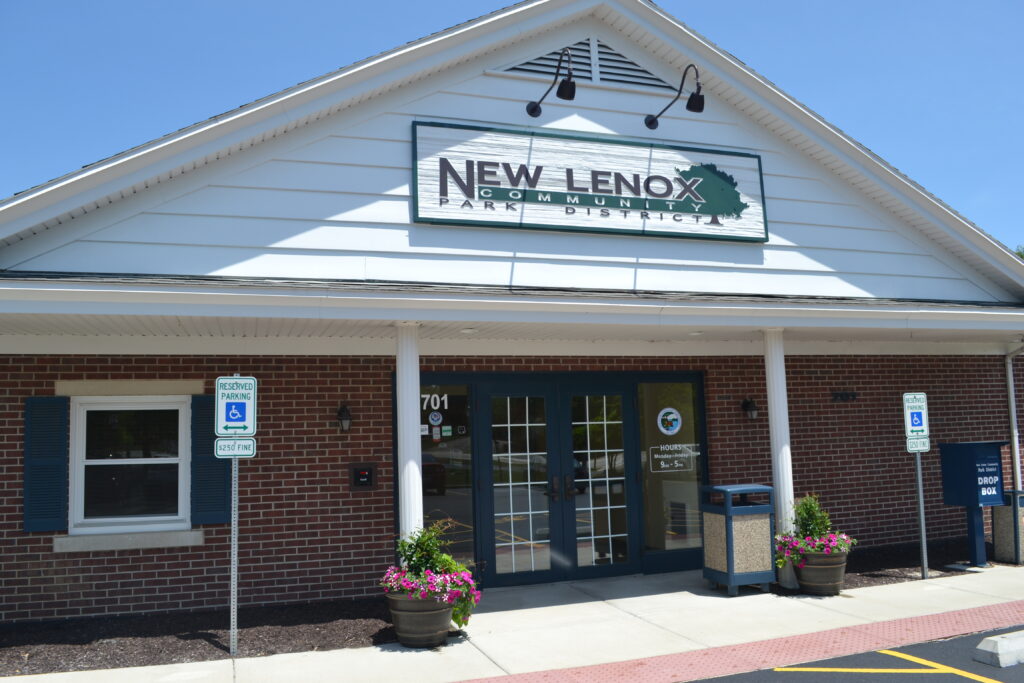
New Lenox Park District Outlines Aggressive 2026 Development Plan, Addresses Crossroads Sinkhole

New Lenox Library Explores Rebranding Ahead of 25th Anniversary on the Commons
Lincoln-Way Board Ratifies Three-Year Support Staff Contract with Significant Hourly Raises