Will County Committee Shapes 2026 Legislative Agendas on Housing, Energy, and Health
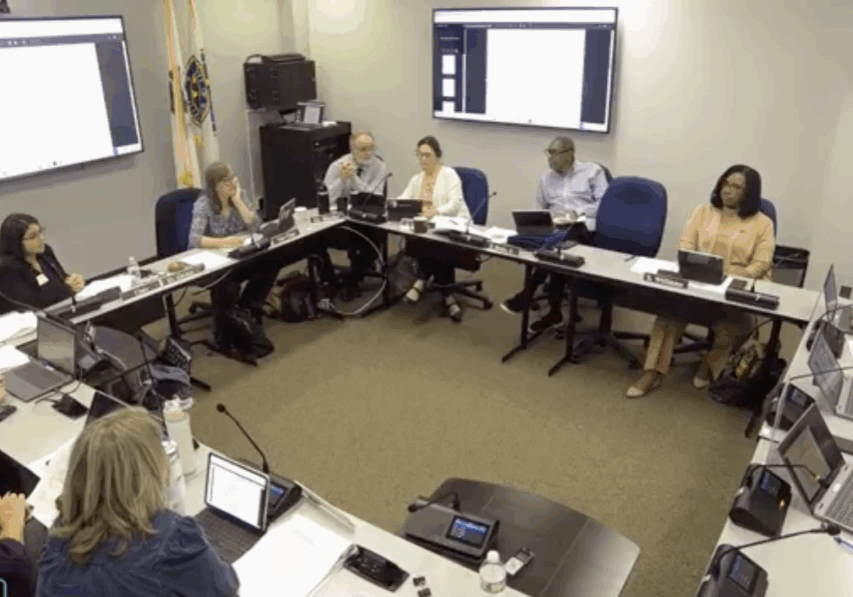
Meeting Summary and Briefs: Will County Legislative Committee for November 4, 2025
Article Summary: The Will County Legislative Committee advanced key priorities for its 2026 state and federal legislative agendas, focusing on securing funding for affordable housing, supporting renewable energy initiatives, and expanding mental health services. While most proposals from county departments were approved, committee members postponed decisions on controversial mental health topics, including involuntary commitment procedures.
2026 Legislative Agenda Key Points:
-
The committee endorsed federal priorities supporting the county’s Renewable Natural Gas (RNG) plant and seeking stable funding for federal housing programs.
-
On the state level, a comprehensive package from the Health Department was approved, along with a proposal from the County Clerk to modernize election laws.
-
Proposals from the Mental Health Board to allow emergency responder participation in involuntary commitments and to expand student mental health screenings were tabled for further discussion.
-
A proposal from Workforce Services to support federal job training programs was also approved and added to the federal agenda.
The Will County Board’s Legislative Committee on Tuesday, November 4, 2025, began shaping its lobbying efforts for the upcoming year by reviewing and voting on a series of proposals for the county’s 2026 state and federal legislative agendas.
The committee gave its support to federal proposals from the Land Use Department aimed at advancing the county’s sustainability goals. The first part, from the Resource Recovery and Energy Division, focuses on federal policies that support the market for Renewable Natural Gas (RNG), which is produced at the Prairie View Landfill.
David Hahkey of the energy division explained that a state-level low-carbon fuel standard, similar to the federal program, would create more options for “revenue generation for the sales of gas from the plant.” He added, “Any way we can possibly enhance our revenue from the RNG plant we would support that.” The measure passed with one “no” vote.
The committee unanimously approved a second federal proposal from the Land Use Department’s Community Development Division. This portion of the agenda focuses on sustaining federal funding for core Department of Housing and Urban Development (HUD) programs like the Community Development Block Grant (CDBG) and HOME Investment Partnership Program, which support affordable housing and infrastructure projects in Will County.
Martha from the division noted that detailed reports on how many residents are served by these programs are submitted annually to HUD. Following requests from board members for more accessible data, she offered to share the upcoming annual report with the full board.
On the state level, the committee unanimously approved a comprehensive legislative package from the Will County Health Department. The agenda includes supporting increased funding for public health services, behavioral health professionals, and crisis-response infrastructure. A discussion point arose regarding a proposal to create a professional development course addressing racial disparities in maternal health. Dr. Kathleen Burke of the Health Department explained the need, stating, “Black women have more fetal distress and more miscarriages and they don’t have good natal outcomes… their outcomes are not good.”
The committee also approved a request from the Health Department to amend its agenda to add support for the 340B drug discount program, which helps safety-net providers serve low-income patients.
Proposals from the Will County Community Mental Health Board received a more mixed reception. While the committee approved several items in a re-formatted “support” structure, two key proposals were postponed. Citing concerns from board members, Committee Chair Destinee Ortiz (D-Romeoville) tabled discussion on a measure that would allow emergency responders to participate in the involuntary commitment process and another supporting statewide student mental health screenings.
Member Julie Berkowicz (R-Naperville) voiced strong opposition to the involuntary commitment item. “I’m very uncomfortable with that word involuntary,” she said, recounting a negative personal family experience. “I don’t even know that the county should even be involved when it comes to something like that because it can go right, it can go wrong.”
Member Kelly Hickey (D-Naperville) added concerns, noting the proposal lacked specifics on the “corresponding level of education that needs to be and certification that needs to be held by emergency responders.” The committee requested that a representative from the Mental Health Board attend a future meeting to answer questions on the postponed items.
Finally, the committee unanimously approved a state-level request from the County Clerk’s office for a comprehensive review and modernization of Illinois election laws, and a federal-level request from Workforce Services to support the Workforce Innovation and Opportunity Act.

Mostly Sunny
Latest News Stories
Everyday Economics: History doesn’t repeat, but the Fed Is hearing an echo
Illinois DHS appointment sparks backlash over alleged voter registration mailer practices

Arctic defense begins in Galveston after Memorial Day
Illinois Quick Hits: Pritzker urges megaprojects support for Bears
Lincoln-Way 210 Backs Mokena Downtown TIF Extension to 2044
Shooting outside White House leaves one dead, one injured
Bill to let felons vote from prison draws criticism from Republicans
Supreme Court yet to decide high profile cases

Government spending on seniors’ benefits soon to make up majority of federal budget
New Lenox Board Approves $1.02 Million Turf Infill Fix for Sports Complex
Illinois Dems seek to expand post-release convict support, housing
$580B federal highway bill clears committee; includes rail safety, EV fees