

California invests in visas, legal immigration
In recent years, California lawmakers and immigrant advocates have rallied around federal visa programs to pursue legal immigration pathways for immigrants in the state.
Universities across the state now utilize the Global Entrepreneur in Residence program to sponsor H-1B visa applicants without being subject to a cap.
Congress mandates a cap for H-1B applicants at 85,000, but universities and state-funded institutions are not subject to this cap. H-1B visas are reserved for immigrants with at least a bachelor’s degree education.
Universities in California first started GEIR programs in 2016, following the lead of states like Massachusetts and Michigan to avoid H-1B caps in recruiting hired talent. In 2022, the state officially sponsored the program’s rollout by dedicating $2 million to its administration throughout the University of California system, which includes 10 schools across the state.
The cap exemption allows universities to sponsor as many immigrant researchers, scientists and entrepreneurs as they wish without being subject to caps that often fill quickly.
The University of California at San Diego, one of the member schools, said the program “is an incredible initiative designed to empower international founders to establish and grow their startups in California.”
While popular support has amassed behind the federal visa program’s cap exemption, past proposals for state-based visas have not seen similar success.
In 2012, California legislators proposed two bills that would create a state-administered guest worker program that gave undocumented immigrants living in the state work permits. The state would also allow immigrants without federal legal status to obtain work authorization.
The California Opportunity and Prosperity Act would allow the state government to authorize work permits for undocumented individuals who have lived in California for four years, have no felony convictions, pay a fee and can speak English or are learning to speak it.
Felipe Fuentes, the state assembly member who sponsored the legislation, cited increased tax revenue as a highlight for sponsoring more work authorizations. He said the program could add an additional $300 million in state tax revenue.
Another California legislator also proposed immigration reform in 2012. State assembly member Manuel Perez proposed to specifically authorize work permits for undocumented immigrants in agricultural and service industries.
“Immigration policies that seek to deport unauthorized farmworkers or force them to abandon their jobs in agriculture would wreak swift and substantial damage to the agricultural industry in California,” the bill’s text reads.
The proposal appeared to be an effort to address workforce shortages in California’s agricultural and service industries. However, both immigration proposals did not pass in the state legislature.
In 2015, the state legislature formed a working group to discuss challenges in the federal immigration system and propose solutions. The group built off proposals from 2012 and would go on to directly influence the global entrepreneur in residence program.
“California has unique labor needs and a unique immigrant population. We cannot wait for Congress to fix a system that is failing our economies and failing our families,” said former state Sen. Ricardo Lara.
While California’s investment in the Global Entrepreneur in Residence program has defined much of its immigration policy recently, state advocates are calling on the legislature to do more. In January, the California Immigrant Policy Center called on Gov. Gavin Newsom to increase protections for immigrants throughout the state.
“While we appreciate the governor’s commitment to keep funding for core programs that support all Californians, we will continue to advocate for additional resources to meet the needs of our diverse immigrant communities given the threats posed by the incoming Trump administration and to make sure that all immigrants, regardless of their immigration status, can access the vital resources they need to thrive in the Golden State,” said CIPC Executive Director Masih Fouladi.


Showers And Thunderstorms Likely
Latest News Stories

Land Use Committee Advances Mokena Scrap Yard and Homer Glen Landscape Business Over Local Objections

District 210 Reports Insurance Deficit Amid National Healthcare Cost Spikes; Finances Remain Stable

Foxx to face questions about murder conviction review ‘investigations’

Illinois Quick Hits: North Chicago manufacturing expansion announced
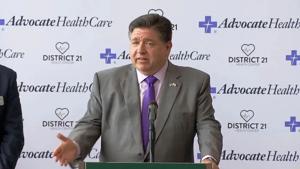
Local government advocates oppose Pritzker plan to cut distributions

New Lenox Fire District Exploring Land Swap with Village for New Training Facility

WATCH: Illinois diversity leaders dodge questions as they slip farther from goals

Illinois Quick Hits: Road fund could help renovate Soldier Field

Planning Commission Backs 5-MW Peotone Solar Farm; Developer Pledges Pollinator Habitat and Community Funds

Joliet Junior College Board Approves $2 Tuition Increase Amidst Heated Debate Over Enrollment and Spending
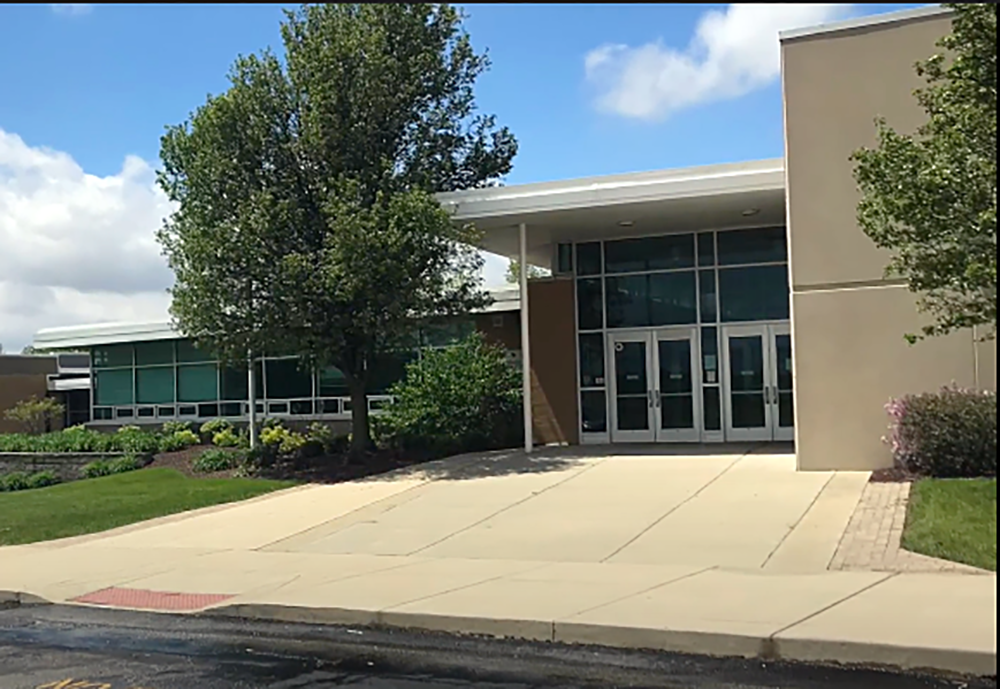
New Lenox District 122 Kicks Off 2026-2027 Budget Cycle, Approves Minor Registration Fee Increase
New Lenox Park District Outlines Aggressive 2026 Development Plan, Addresses Crossroads Sinkhole

New Lenox Library Explores Rebranding Ahead of 25th Anniversary on the Commons
Lincoln-Way Board Ratifies Three-Year Support Staff Contract with Significant Hourly Raises