Workers report benefits of mail scanning at Illinois prisons as state faces rules deadline
(The Center Square) – As Illinois prison workers testify about the benefits of electronic mail scanning, Illinois Department of Corrections officials say they are pushing to keep the practice from lapsing.
The Illinois General Assembly’s Joint Committee on Administrative Rules granted IDOC an emergency rule to implement electronic mail scanning in an effort to keep contraband from entering IDOC facilities.
IDOC Director Latoya Hughes told JCAR members last month that the scanning began in September. The 150-day emergency rule lapses in January, and IDOC could lose the authority to continue electronic mail scanning if a permanent rule is not approved by December.
IDOC Attorney Robert Steele was asked Tuesday what would happen if the rule lapses before a permanent rule is approved.
“The department, of course, we are putting together measures if necessary to prepare for such, but as it was stated during that hearing, the department is pushing forward to make sure that we can get the permanent rule across the finish line,” Steele said.
State Rep. Ryan Spain, R-Peoria, said at the end of JCAR’s October meeting that IDOC’s rule-making authority would be on the agenda for the next meeting Nov. 18.
Spain’s comment came after he and other lawmakers expressed frustration with Hughes over delays in the implementation of mail scanning.
Despite the bipartisan frustration and other IDOC issues, the Illinois Senate last week approved Gov. J.B. Pritzker’s nomination of Hughes to serve as director after spending more than two years in the acting director role.
At Tuesday’s hearing, people who work at Illinois correctional facilities testified about the impact of mail scanning since its implementation.
Tenielle Fitzjarrald, president of AFSCME Local 3600 and a counselor at Lawrence Correctional Center in Sumner, said she felt safe before the recent, exploding presence of drugs at the facility.
Fitzjarrald said she and her fellow union members are relieved that electronic mail scanning is in place.
“The haze and the smoke present in the housing units has already been reduced substantially. It is a relief to not leave work with a headache every day,” Fitzjarrald said.
Correctional officer Nick Mclaughlin said Graham Correctional Center in Hillsboro was mostly calm when he started working there 12 years ago.
“Assaults on staff were rare and overdoses and exposures were also rare,” Mclaughlin said.
Mclaughlin said things have changed dramatically in recent years due to the increased presence of drugs.
“With mail being a known point of entry, exposures to unknown substances and assaults increased and became regular occurrences,” Mclaughlin said.
Mclaughlin said a recent mass exposure left 22 employees hospitalized and mail scanning has made the environment safer for staff and incarcerated individuals.
“Now that the mail scan has been implemented, incidents involving intoxicated individuals are down to one to two times a week rather than a daily occurrence,” Mclaughlin said.
Inmate advocates expressed concerns about electronic mail processing and pointed to a lack of data supporting its impact.
Restore Justice Illinois Executive Director Wendell Robinson said there is no evidence that the proposed permanent rule will be effective in stopping contraband from entering IDOC facilities.
“In some states, drug use and overdoses have increased after implementation of mail scanning policies,” Robinson said.
Robinson said drug problems worsened in Pennsylvania prisons after mail scanning was introduced.
Ashton Klekamp, policy and research director for the Education Justice Project at the University of Illinois, detailed the benefits of higher education for inmates and said the proposed rule amendments would restrict mail and publications for incarcerated individuals.
“If implemented, they would create substantial new barriers to education,” Klekamp said.
Nicole Schult of the Uptown People’s Law Center said she opposed mail scanning and expressed concerns that legal mail might not remain confidential.
Ben Ruddell, American Civil Liberties Union of Illinois director of criminal justice policy, said IDOC has not supplied any empirical data to support its position that electronic mail processing has been a success in other jurisdictions.
Ruddell said courts have recognized that people in prison have property interests.
“The proposed rule potentially violates the property rights of incarcerated people and undermines rehabilitation by cutting people off from precious tangible items sent by family, friends and loved ones,” Ruddell said.
Ruddell said the rule also raises First Amendment concerns.






Showers And Thunderstorms
Latest News Stories

Land Use Committee Advances Mokena Scrap Yard and Homer Glen Landscape Business Over Local Objections
District 210 Reports Insurance Deficit Amid National Healthcare Cost Spikes; Finances Remain Stable

Foxx to face questions about murder conviction review ‘investigations’

Illinois Quick Hits: North Chicago manufacturing expansion announced

Local government advocates oppose Pritzker plan to cut distributions

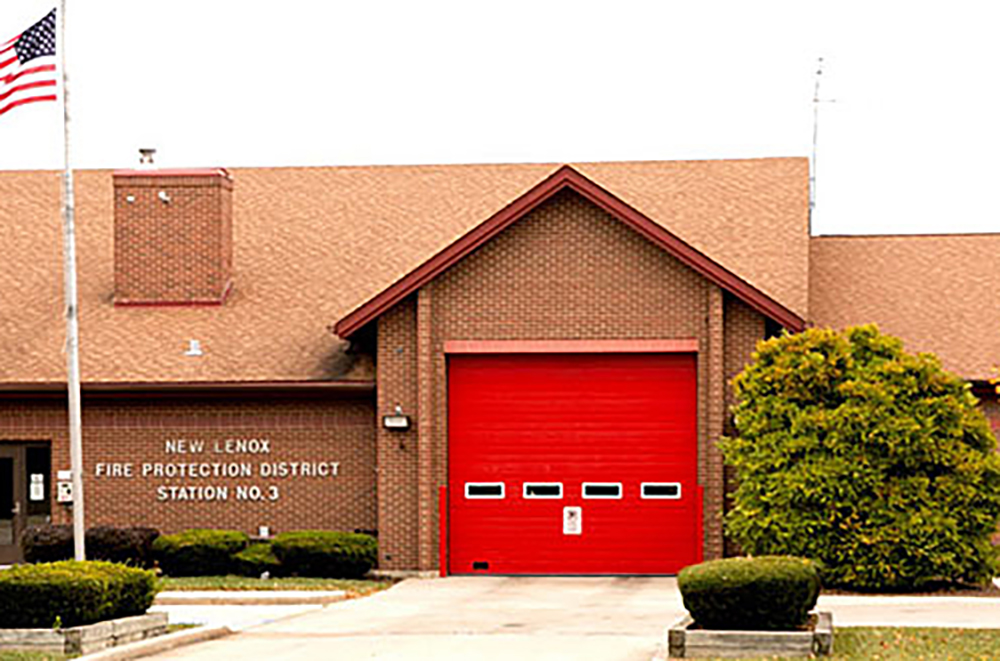
New Lenox Fire District Exploring Land Swap with Village for New Training Facility

WATCH: Illinois diversity leaders dodge questions as they slip farther from goals

Illinois Quick Hits: Road fund could help renovate Soldier Field

Planning Commission Backs 5-MW Peotone Solar Farm; Developer Pledges Pollinator Habitat and Community Funds

Joliet Junior College Board Approves $2 Tuition Increase Amidst Heated Debate Over Enrollment and Spending
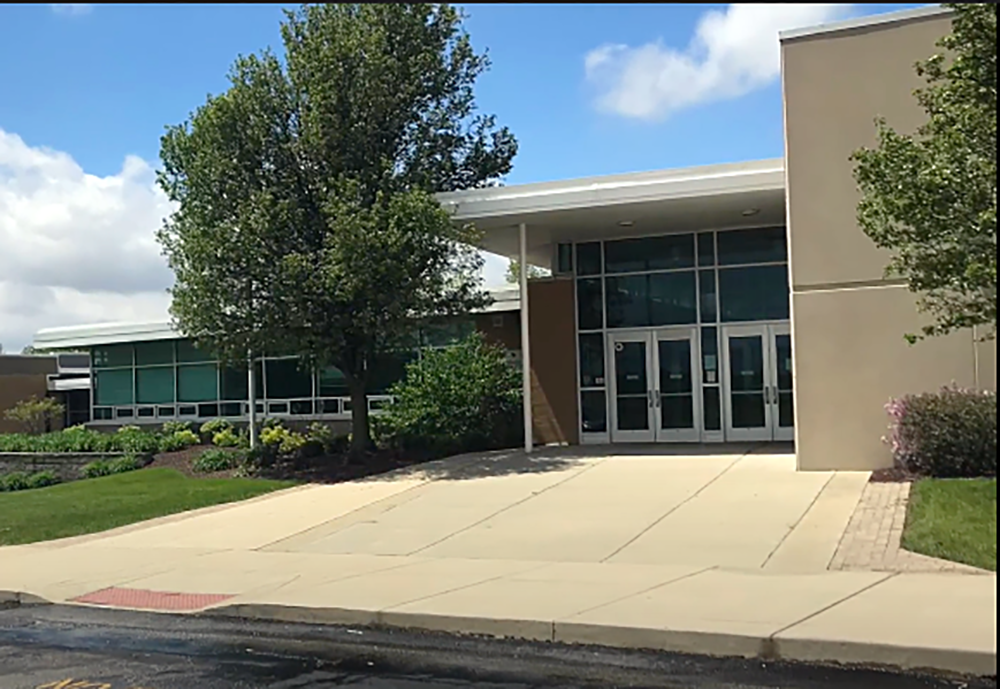
New Lenox District 122 Kicks Off 2026-2027 Budget Cycle, Approves Minor Registration Fee Increase
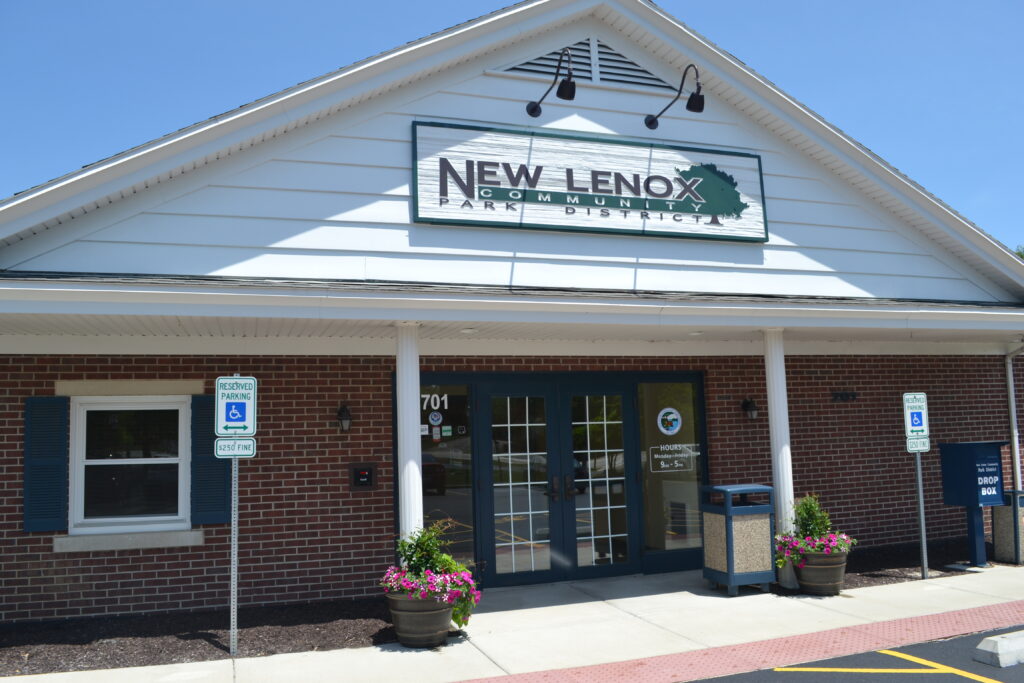
New Lenox Park District Outlines Aggressive 2026 Development Plan, Addresses Crossroads Sinkhole

New Lenox Library Explores Rebranding Ahead of 25th Anniversary on the Commons
Lincoln-Way Board Ratifies Three-Year Support Staff Contract with Significant Hourly Raises