
WATCH: Coalition sues to protect student loan forgiveness
(The Center Square) – Democratic attorney generals from 22 jurisdictions sued the U.S. Department of Education Monday over its new rule limiting Public Student Loan Forgiveness for government and nonprofit workers.
The PSLF program was passed in 2007 with bipartisan support as part of the College Cost Reduction and Access Act. Under the law signed by President George W. Bush, workers are entitled to forgiveness for the remaining balance of their loans if they dedicate 10 years to government or nonprofit work and stay up to date with their payments. On Friday, the Department of Education issued a rule that threatened to remove eligibility for student loan forgiveness to anyone who works for someone with “a substantial illegal purpose.”
California, Massachusetts, Colorado and New York are the states leading the coalition suing the Trump administration. The suit was filed by 21 states and the District of Columbia in the U.S. District Court for Massachusetts.
The lawsuit seeks a court decision declaring the new rule unlawful.
The suit notes Congress directed the U.S. Department of Education to cancel the “balance of interest and principle due for any borrower” who had been employed in a public service job for 10 years and met other statutory requirements. The suit noted all government jobs are eligible, except for members of Congress.
California Attorney General Rob Bonta accused President Donald Trump and Secretary of Education Linda McMahon of using student loan forgiveness to reward loyalists and punish opponents.
“This is just the latest example of Trump weaponizing our government to wage his culture war,” Bonta said during a virtual news conference, which also included attorneys general from Colorado and Massachusetts.
“First he weaponized our schools, hospitals and military,” Bonta told reporters. “Now he’s coming for hardworking people who’ve devoted their careers to doing good in the world.
“Trump and McMahon have no legal right to impose this rule and break the government’s promise to the American people,” Bonta said. “This rule directly violates the Administrative Procedure Act and defies Congress’ direction under the Higher Education Act, which clearly states that government agencies and nonprofits are eligible employers without exception.
“That means the administration can’t exclude an eligible organization just because it provides legal services to immigrants or provides gender-affirming care to minors or participates in legal diversity, equity and inclusion initiatives or engages in civil protest and the right to assembly – constitutionally protected rights,” Bonta said. “They can’t cherrypick which public service employers qualify or which don’t.”
The Center Square reached out Monday to the U.S. Department of Education after the news conference.
“It is unconscionable that the plaintiffs are standing up for criminal activity,” Under Secretary of Education Nicholas Kent told The Center Square in an email. “This is a commonsense reform that will stop taxpayer dollars from subsidizing organizations involved in terrorism, child trafficking, and transgender procedures that are doing irreversible harm to children. The final rule is crystal clear: the Department will enforce it neutrally, without consideration of the employer’s mission, ideology or the population they serve.”
But attorneys general at Monday’s news conference expressed concern about the people who would be denied the student loan forgiveness promised by Congress. Bonta noted the recipients vary from teachers to police officers, firefighters, librarians, social service workers and members of the military.
Attorney General Phil Weiser of Colorado said his state’s employees, varying from firefighters to state troopers, could lose their loan forgiveness if Trump and McMahon simply labeled Colorado as “unlawful.”
“That’s the sort of bullying we’re not going to allow,” Weiser said, answering a question from The Center Square. “This rule is illegal.”
He added he didn’t know how much money the federal government is trying to save in Colorado.
But as the attorneys general answered The Center Square’s questions about numbers such as costs, Bonta put the total amount of the program’s value, as of 2024 in California, at $6 billion.
The attorneys general answered The Center Square’s question about the number of people served by their programs: 18,000 over the last two-and-one-half years in Colorado, 25,000 between 2021 and January of 2025 in Massachusetts, and over 81,000 in California as of 2024.
“These are hardworking folks who had to be in the program 10 years and consistently make payments,” Massachusetts Attorney General Andrea Campbell told The Center Square. “It’s not a handout. It’s folks who work hard. We honor their service, knowing they make less than those in the private sector.”
As of July, 1.25 million people had received the forgiveness nationwide, Bonta said.
Besides the attorneys general from California, Colorado, Massachusetts and New York, the attorneys general filing the lawsuit are from Arizona, Connecticut, Delaware, the District of Columbia, Hawaii, Illinois, Maine, Maryland, Michigan, Minnesota, Nevada, New Jersey, New Mexico, Oregon, Rhode Island, Vermont, Washington and Wisconsin.
In addition to discussing the lawsuit, attorneys general Monday reacted to the Trump administration’s announcement that it would issue half of the November payments for the Supplemental Nutrition Assistance Program benefits after Friday’s court orders saying the Trump administration couldn’t suspend the program Nov. 1. SNAP was formerly known as food stamps and is designed to help low-income individuals, seniors and those with disabilities. The Trump administration issued its response to the court orders on Monday, as reported earlier by The Center Square.
Partial instead of full payments could make the program more complicated and increase delays, Campbell of Massachusetts told reporters.
The attorneys general argue there’s enough money for provide full payments.
“They are intentionally starving some Americans when they don’t have to,” Bonta said. “We believe they should use all available funds.”
The Center Square reached out Monday to the U.S. Department of Agriculture, which administers SNAP, for this story, but did not get a response before this story was published. But as reported earlier by The Center Square, the USDA said it only has enough emergency funds, about $4.6 billion, to cover half of November benefits. The USDA said it will not draw from other contingency funds, which are normally used for events such as natural disasters when the federal government is open.


Partly Sunny then Showers And Thunderstorms Likely
Latest News Stories
Land Use Committee Advances Mokena Scrap Yard and Homer Glen Landscape Business Over Local Objections
District 210 Reports Insurance Deficit Amid National Healthcare Cost Spikes; Finances Remain Stable

Foxx to face questions about murder conviction review ‘investigations’

Illinois Quick Hits: North Chicago manufacturing expansion announced
Local government advocates oppose Pritzker plan to cut distributions

New Lenox Fire District Exploring Land Swap with Village for New Training Facility
WATCH: Illinois diversity leaders dodge questions as they slip farther from goals
Illinois Quick Hits: Road fund could help renovate Soldier Field

Planning Commission Backs 5-MW Peotone Solar Farm; Developer Pledges Pollinator Habitat and Community Funds
Joliet Junior College Board Approves $2 Tuition Increase Amidst Heated Debate Over Enrollment and Spending
New Lenox District 122 Kicks Off 2026-2027 Budget Cycle, Approves Minor Registration Fee Increase
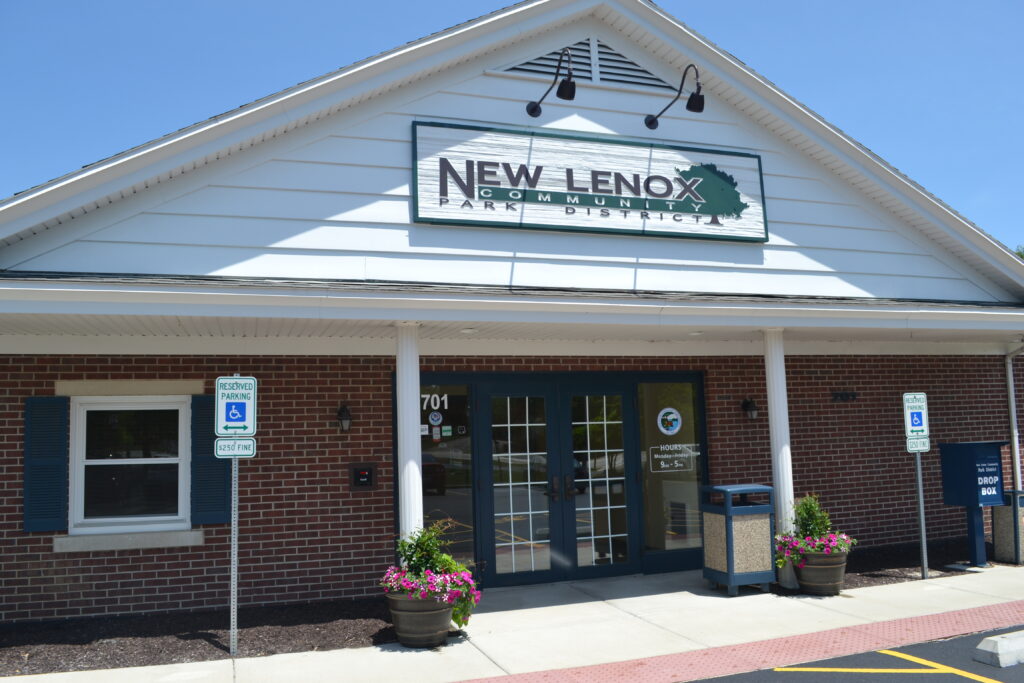
New Lenox Park District Outlines Aggressive 2026 Development Plan, Addresses Crossroads Sinkhole

New Lenox Library Explores Rebranding Ahead of 25th Anniversary on the Commons
Lincoln-Way Board Ratifies Three-Year Support Staff Contract with Significant Hourly Raises