

Federal Reserve cuts key interest rate for second time this year
The Federal Reserve cut interest rates by a quarter-point on Wednesday for the second time this year, not nearly as much as President Donald Trump wants the central bank to reduce rates.
The move lowers the Fed’s benchmark short-term interest rate to a range between 3.75% and 4%, the lowest in three years. That’s down from a peak of around 5.4%.
“Available indicators suggest that economic activity has been expanding at a moderate pace,” the Federal Open Markets Committee said in a statement. “Job gains have slowed this year, and the unemployment rate has edged up but remained low through August.”
It also noted that inflation “has moved up since earlier in the year and remains somewhat elevated.”
The federal government shutdown, which started Oct. 1, has limited the economic data available to the rate-setting committee.
“Although some important federal government data have been delayed due to the shutdown, the public and private sector data that have remained available suggest that the outlook for employment and inflation has not changed much since our meeting in September,” Federal Reserve Chairman Jerome Powell said Wednesday at a news conference.
The Fed projected an additional quarter-point cut at its next meeting in December, but Powell said Wednesday that was uncertain. Powell said there were “strongly differing views” about what the Fed should do in December.
“A further reduction of the policy rate in December is not a foregone conclusion – in fact, far from it,” Powell said.
Trump’s newest appointee to the FOMC, Stephen Miran, voted against the move, preferring a 1/2 percentage point cut at this meeting. Jeffrey Schmid also opposed the cut, he preferred no change to the federal funds rate.
Trump wants even lower rates and has aggressively pushed the independent central bank to lower them.
Trump has said the U.S. should have the lowest rates in the world.
Ryan Young, senior economist with the Competitive Enterprise Institute, said the biggest news was that the Fed will stop reducing its balance sheet as of Dec. 1, which roughly doubled in size during the pandemic.
“That doubling was a leading cause of the pandemic inflation,” he said. “Since about 2022, the Fed has slowly been shrinking its balance sheet back to pre-COVID levels, and still has a ways to go. The Fed’s balance sheet is a much more potent source of inflation than interest rates, because it directly affects the money supply.”
He added: “This is another sign that the Fed is more worried about preventing a recession than it is about keeping inflation in check. Look for inflation to stay elevated for a long time to come if the Fed starts growing its balance sheet again.”



Partly Sunny then Showers And Thunderstorms Likely
Latest News Stories

Will County Previews ‘GuideWill’ Comprehensive Resource Management Plan
Will County Targets May Draft for Comprehensive Artificial Intelligence Policy

Sanctuary Golf Course Prepares for 30th Anniversary Following Strong January Sales and Facility Upgrades
P&Z Commission Approves Side Yard Setback Variance for Joliet Detached Garage

Executive Committee Advances Sweeping Overhaul of Will County Business Regulations
Will County Closes Out $16.2 Million Federal Rental Assistance Program, Transitions to Local Funding

Meeting Summary and Briefs: Will County Planning and Zoning Commission for March 3, 2026
Will County Leaders Debate New Construction to Escape $1.2 Million in Leases
Opioid Settlement Grants Funnel Nearly $600,000 to Local Police and Community Programs
Meeting Summary and Briefs: Will County Finance Committee for March 3, 2026
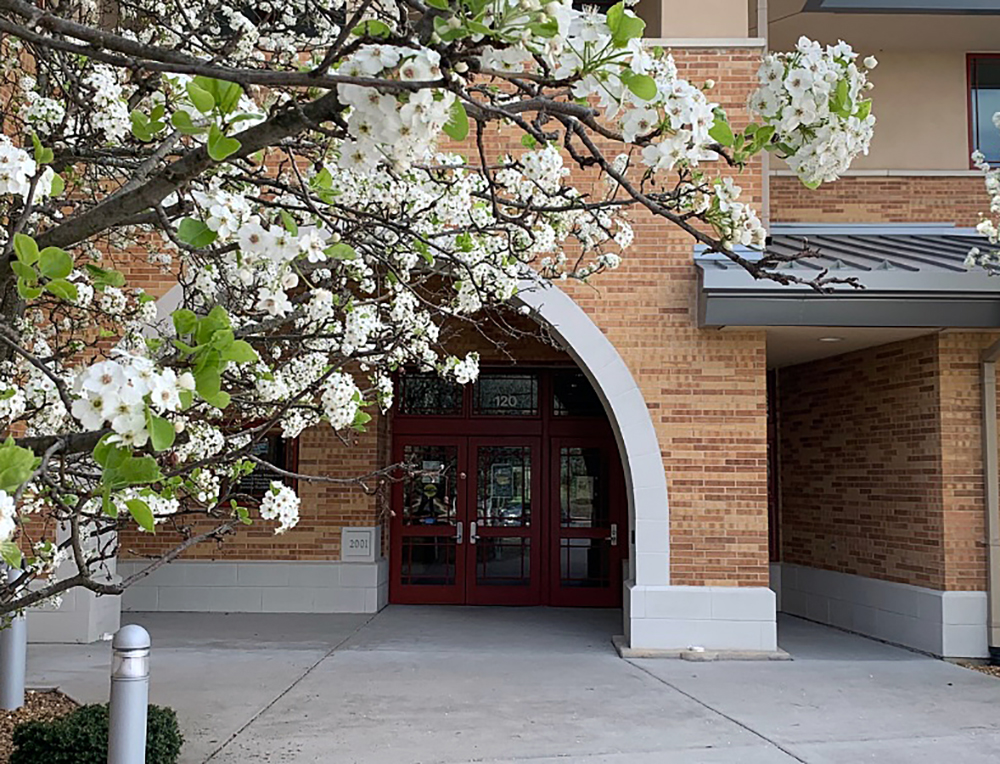
Meeting Summary and Briefs: New Lenox Public Library District Board of Trustees for February 17, 2026

New Lenox Township Cemeteries Rebound with January Profit as Maplewood Expansion Talks Progress

Tingley’s Triples, 13-Strikeout Pitching Performance Power Lincoln-Way Central Past Oswego East 12-1

Late Sixth-Inning Rally, Timely Hitting Propel Lincoln-Way Central Past St. Laurence 4-1