CBO says tariffs could raise $4 trillion over next decade, raise prices
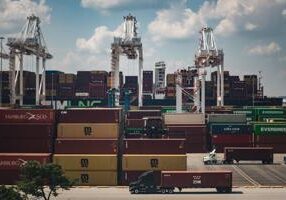
The Congressional Budget Office’s estimated that President Donald Trump’s tariffs could bring in $4 trillion over the next decade, but will raise consumer prices and reduce the purchasing power of U.S. families.
The most recent estimate includes changes to tariffs through Aug. 19 that CBO Director Phillip Swagel said reduce total deficits by $4 trillion altogether over the next decade. Tariff revenue also is expected reduce the need for federal borrowing and cut spending on interest by $700 billion.
The CBO report includes a caveat: “The estimates are subject to significant uncertainty, largely owing to questions about timing, possible exceptions, and a lack of precedents.”
The CBO said it estimated that the effective tariff rate for goods imported into the U.S. increased by about 18 percentage points when measured against 2024 trade flows.
That could mean more inflation and higher prices for consumers and businesses.
“The increases in tariffs will make consumer goods and capital goods (the physical assets that businesses use to produce goods and services) more expensive, which will reduce the purchasing power of U.S. consumers and businesses,” according to the CBO report. “Those increases in costs will put temporary upward pressure on inflation.”
Since retaking office, Trump has hit nearly every nation with new tariffs and is working to reshape global trade to give American companies homefield advantage. But it could cost U.S. consumers.
The White House has said that foreign nations and businesses will pay the tariffs, not American consumers.
Last month, the Federal Reserve’s latest anecdotal “beige book” survey found that businesses across the country reported passing the cost of tariffs on to U.S. consumers.
Economists, businesses and some publicly traded companies have warned that tariffs could raise prices on a wide range of consumer products throughout the U.S.
Trump has said he wants to use tariffs to restore manufacturing jobs lost to lower-wage countries in decades past, shift the tax burden away from U.S. families, and pay down the national debt.
A tariff is a tax on imported goods that the importer pays, not the producer. The importer pays the cost of the duties directly to U.S. Customs and Border Protection, a federal agency.



Mostly Sunny
Latest News Stories

Illinois Quick Hits: Nine arrested during Naperville teen gathering

Pritzker housing proposal partly stalls amid overreach concerns from localities
Swipe fee battle continues after delay, court ruling

$45M included in budget for previously unfunded property tax relief

Illinois Quick Hits: Pritzker signs two bills

Meeting Summary and Briefs: Lincoln-Way Community High School District 210 for May 21, 2026
Judge says federal rule blocks Illinois from banning ‘swipe fees’

Canadians, Brits stress U.S., Texas are key to shipbuilding
Tariff litigation expands as federal court weighs next move
Democrats dissatisfied by DOJ’s pause on ‘anti-weaponization fund’

Hegseth calls allied defense ‘bad deal for taxpayers’ in budget push
Pritzker touts state spending to cover federal cuts in passed budget