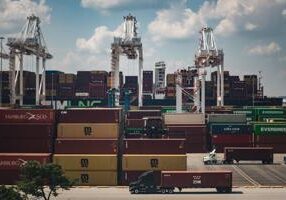
CBO says tariffs could raise $4 trillion over next decade, raise prices
The Congressional Budget Office’s estimated that President Donald Trump’s tariffs could bring in $4 trillion over the next decade, but will raise consumer prices and reduce the purchasing power of U.S. families.
The most recent estimate includes changes to tariffs through Aug. 19 that CBO Director Phillip Swagel said reduce total deficits by $4 trillion altogether over the next decade. Tariff revenue also is expected reduce the need for federal borrowing and cut spending on interest by $700 billion.
The CBO report includes a caveat: “The estimates are subject to significant uncertainty, largely owing to questions about timing, possible exceptions, and a lack of precedents.”
The CBO said it estimated that the effective tariff rate for goods imported into the U.S. increased by about 18 percentage points when measured against 2024 trade flows.
That could mean more inflation and higher prices for consumers and businesses.
“The increases in tariffs will make consumer goods and capital goods (the physical assets that businesses use to produce goods and services) more expensive, which will reduce the purchasing power of U.S. consumers and businesses,” according to the CBO report. “Those increases in costs will put temporary upward pressure on inflation.”
Since retaking office, Trump has hit nearly every nation with new tariffs and is working to reshape global trade to give American companies homefield advantage. But it could cost U.S. consumers.
The White House has said that foreign nations and businesses will pay the tariffs, not American consumers.
Last month, the Federal Reserve’s latest anecdotal “beige book” survey found that businesses across the country reported passing the cost of tariffs on to U.S. consumers.
Economists, businesses and some publicly traded companies have warned that tariffs could raise prices on a wide range of consumer products throughout the U.S.
Trump has said he wants to use tariffs to restore manufacturing jobs lost to lower-wage countries in decades past, shift the tax burden away from U.S. families, and pay down the national debt.
A tariff is a tax on imported goods that the importer pays, not the producer. The importer pays the cost of the duties directly to U.S. Customs and Border Protection, a federal agency.

Showers And Thunderstorms Likely
Latest News Stories
Land Use & Development Committee forwards Women’s Residential Recovery Center
Board Reviews Special Use for Landscape Business Near Cedar Road S-Curve
Will County Board Members Question Fairness of New Transit Tax Structure

P&Z Commission Advances Plan for Construction Debris Fill Operation on Brandon Road
Regional Transit Agencies Tout New State Funding, Prepare for Shift to ‘NITA’

Village Considers Phasing Out Impact Fee Reductions as Growth Continues

New Lenox Used Car Dealership Approved by Land Use & Development Committee
Land Use Committee: Monee Solar Projects Granted Extensions; Battery Storage Plans Dropped

P&Z Commission: New Women’s Recovery Center Proposed for Patterson Road Receives Support

Ogalla Blasts New State Solar Legislation
Committee Postpones Vote on Brandon Road Fill Operation After Tree Clearing Allegations
Meeting Summary and Briefs: Will County Planning and Zoning Commission for December 2, 2025
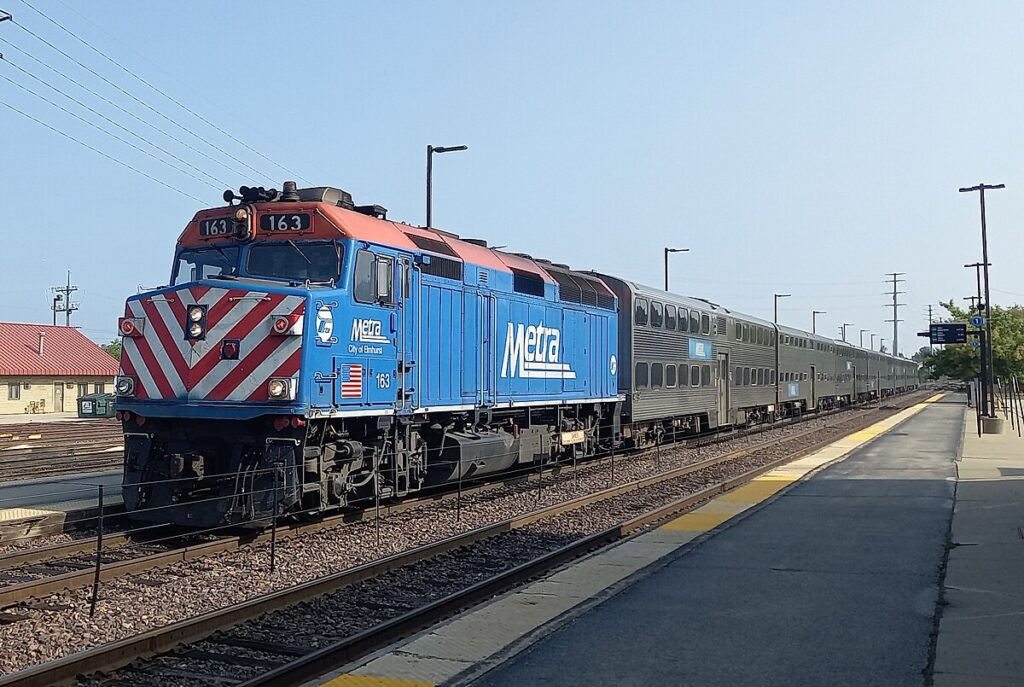
Metra Announces No Fare Hikes; Highlights Bridge Projects in Joliet and Mokena
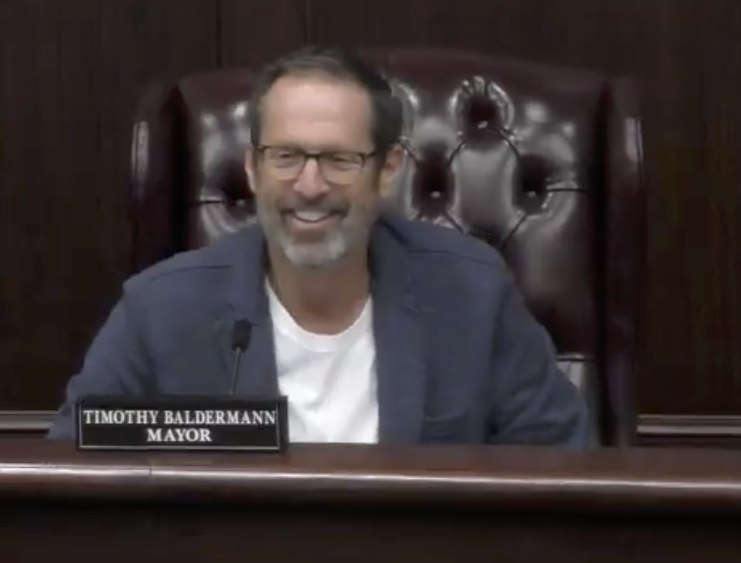
New Lenox Village Board Approves 2025 Tax Levy; Tax Rate Projected to Decrease