Report: Post-election audits in swing states insufficient
A recent report analyzed the 2024 post-election audits of seven swing states, finding that many were “inadequate” and lacking “transparency.”
In Michigan, it found that audits are often conducted months after the election and are certified based on examining computerized totals, instead of any paper ballots.
“Although Michigan election officials have publicly touted their post-election audits as providing proof of soundness of the election outcomes, the actual audit procedures do not support such claims,” the report stated. “Michigan’s post-election audits are conducted well after certification and only published months later.”
The report was co-authored by Susan Greenhalgh, senior advisor on election security for Free Speech For People, and Dr. David Jefferson, a nationally-recognized computer scientist.
Released by Free Speech for People, a national nonprofit legal advocacy group, the report examined post-election audits in Arizona, Georgia, Michigan, Nevada, North Carolina, Pennsylvania and Wisconsin.
It raised red flags about the post-election audits in many of those states.
“A review of the post-election audits conducted in the seven key swing states reveals that, despite claims that the election was robustly audited, they were not,” the report found. “Though some states’ audits conform to some, but not all, best practices necessary to provide convincing evidence the election outcomes were correct, others fall far short. And some states appear to disregard auditing obligations required by law or court settlement.”
Looking at Michigan in particular, in July, it found that a statewide report of the audit of the 2024 election had still not been published.
In 2020, that report was published six months after the election. It is now 10 months since the 2024 election and no information has yet been released about the state’s post-election audit report.
The FSFP report also found that the “risk-limiting” audit performed after the 2020 election was later deemed merely an “exercise” because not all jurisdictions participated, leading to incomplete data.
It also flagged the use and under-supervision of voting machines.
“Votes cast in U.S. elections are primarily counted by computers, which are inadequately secured, regulated and tested,” it stated. “Despite the commonly repeated assurances that voting equipment cannot be manipulated, it can be . . . All election results counted by computers should be verified with meaningful, timely, robust, public, and binding post-election audits based on a reliable, voter-verified record of the voters’ selections.”
Michigan officials have stood by the integrity of the state’s elections, despite the 2022 report from the Michigan Auditor General which found that inadequate oversight and reporting of post-election audits led to inaccurate reporting of the scope and completion of those audits.
“As American citizens, our vote is our voice. Now, more than ever, Michiganders are making their voices heard,” said Secretary of State Jocelyn Benson in July. “As one of the nation’s leading states in voter turnout, Michigan is proof that making voting more accessible strengthens our democracy and puts power where it belongs – in the hands of the voters.
This comes as a new poll also found that the majority of Michigan voters remained confident in the state’s election system through the 2024 election, as previously reported by The Center Square.
Still, the FSFP report said more improvements are needed, especially to the post-election audit system which helps to confirm election results and security.
“Most U.S. elections are conducted using computerized voting systems that are susceptible both to unintended and often undetectable programming errors, malfunctions, and misconfigurations, and also to intentional manipulation and hacking,” it stated. “Elections should not require trust in either humans or software, but should instead be based on immutable verifiable evidence that is both compelling and transparent to the public.”




Chance Showers And Thunderstorms
Latest News Stories
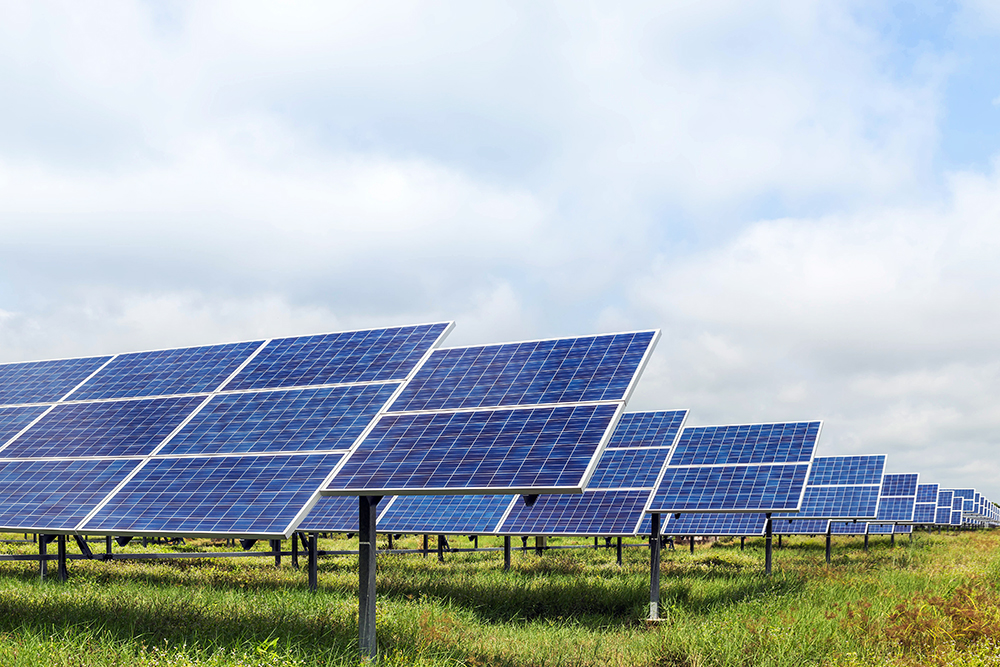
Will County Grants Extensions for Seven Solar and Commercial Projects Amid Permitting Delays

Meeting Summary and Briefs: New Lenox Village Board of Trustees for March 9, 2026
Will County Committee Postpones Liquor, Ad-Hoc Committee: Gaming, and Tobacco Ordinance Updates Amid Extensive Revisions
Joliet Resident Appeals to New Lenox Board Over Massive Data Center Proposal
Land Use Committee Approves 4.98-Megawatt Solar Facility on Eagle Lake Road Near Peotone
Will County Advances Nearly $1.5 Million in Right-of-Way and Improvement Agreements for Weber, Gougar, and Laraway Roads
Public Works Committee: Approves $1.59 Million Contract for Scheer Road Bridge Replacement in Green Garden Township
Will County Board Backs $10 Million State Public Health Grant Increase Amid Funding Cuts
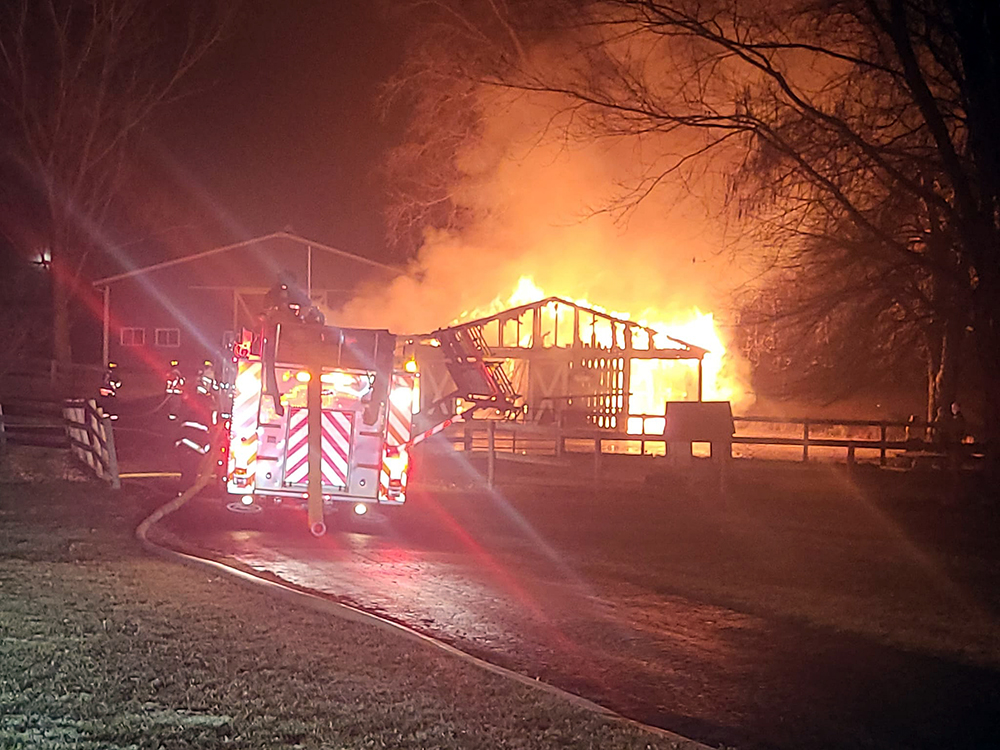
Barn Fire on Whispering Hills Lane Claims Livestock, Draws Extensive Mutual Aid Response

Will County Public Works Committee Shelves License Plate Reader Agreement Amid Bipartisan Privacy Concerns

Will County Planning and Zoning Commission Overrides Staff to Approve New Lenox Accessory Building Variance

Will County Sheriff’s Office Welcomes Remi, First Electronic Scent Detection Dog