‘Exactly what we need’: First expedited coal lease advances
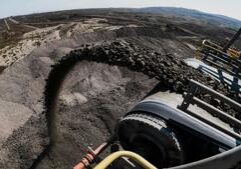
The first expedited coal lease under the Big Beautiful Bill has advanced with the goal of energy independence and job creation in mind. An energy advocacy group says the move is “exactly what we need.”
Larry Behrens of Power the Future told The Center Square that “for generations, coal has answered the call when we need it and that’s why this order is both symbolic and practical.”
Power the Future is a nonprofit dedicated to the Americans working in reliable energy sources, according to its website.
Behrens told The Center Square that “when American energy demand set a new record less than two weeks ago, coal was the second-largest energy source used to keep the lights on and the ACs running.”
“Chinese-made wind and solar have received billions in subsidies but can’t deliver when it’s needed most,” Behrens said.
“The first expedited coal lease under the One Big Beautiful Bill aims to secure reliable energy that is ‘Made in the USA’ and that’s exactly what we need,” Behrens said.
The Department of the Interior announced in a news release that it “completed the environmental review for a major Utah coal project, marking the first expedited coal leasing action under the One Big Beautiful Bill Act.”
“By moving forward with responsible coal leasing, the Department of the Interior is strengthening domestic supply chains, supporting American workers and ensuring that rural communities benefit directly from the energy resources on public lands,” the release said.
Additionally, the release said that the “project delivers on President Trump’s agenda for energy independence and job creation.”
When reached, the Department of the Interior told The Center Square: “We put our official statement in our press releases. We don’t have anything additional to add.”
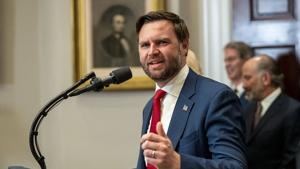
Acting Assistant Secretary for Lands and Minerals Management Adam Suess said in the release: “This is a critical step in unleashing the full economic potential of our coal resources and delivering reliable, affordable energy to American families.”
“President Trump made it clear that we will not tie up American energy in red tape,” Suess said. “Under his leadership, we’re cutting delays, boosting production, and putting miners back to work.”
The release said that the proceeding of coal leasing is in line with Trump’s executive order “Reinvigorating America’s Beautiful Clean Coal Industry,” as well as “advances the Trump administration’s priority to increase domestic energy production and restore American energy independence.”
The department’s move is “through the Bureau of Land Management and in coordination with the U.S. Department of Agriculture Forest Service.”
The Bureau of Land Management will “soon open a public comment period on the fair market value and maximum economic recovery of the federal coal contained in the proposed lease area,” according to the release.
The Department of the Interior has made other changes in favor of American energy dominance recently, such as ending preferential treatment for “unreliable” wind and solar power, promoting the production of fossil fuels, and expanding coal mining, as The Center Square previously reported.




Showers And Thunderstorms Likely
Latest News Stories

Florida to crack down on H-1B visas, following Trump’s lead
Expert: Arizona’s 2026 budget faces Big Beautiful Bill impact

Research institute to Congress: Prioritize American healthcare over noncitizens

Illinois beef producers say Trump’s Argentina beef plan hurts farmers

Illinois quick hits: Bailey family announces memorial services; digital currency scam losses

WATCH: Expect tax and fee increases for veto; Democrats want more sanctuary policies
Will County Health Department Pleads for $1 Million to Avert ‘Weakened Public Health System’

Judge: Benefits of feeding babies beat risk claims in NEC lawsuits

Illinois quick hits: Raoul joins SNAP benefits lawsuit; disaster declaration denial appealed

WATCH: Democratic attorneys general sue feds to release food benefits
WATCH: GOP lawmaker: Pritzker-backed energy omnibus will lead to higher bills

Illegal border crossings in September historically low