Finance Officials Clarify How Will County Tracks Assets, From Vehicles to Desks
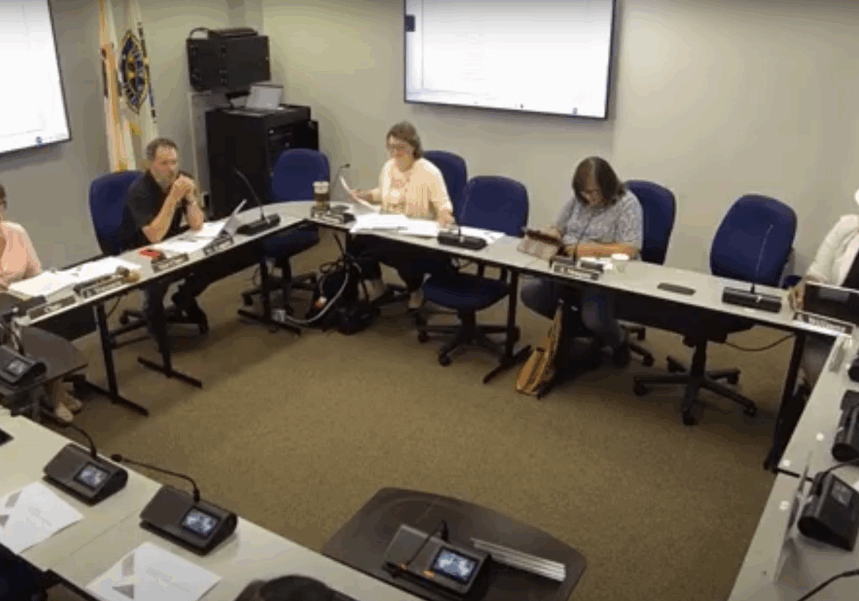
Will County finance officials on Tuesday detailed the policies governing how the county tracks its physical and digital assets, explaining the $5,000 threshold for items that are formally capitalized and the separate process for managing less expensive goods.
Karen Hennessy, the county’s finance director, and Emily Perkins, the assistant finance director, presented to the Ad-Hoc Ordinance Review Committee to clarify the long-standing rules. Hennessy explained that the county follows standards set by the Government Finance Officers Association (GFOA), which recommends a capitalization threshold of no less than $5,000 per item.
“The time spent managing things under $5,000, there’s no benefit to it,” Hennessy said.
Items purchased for $5,000 or more, such as vehicles or heavy machinery, are considered capital assets. They are formally inventoried, assigned a “useful life,” and depreciated on the county’s books annually.
Responding to questions about large furniture purchases that cost well over $5,000 in total, Hennessy clarified that assets are treated individually. “Ten chairs are not lumped together as an expense. They’re looked at individually,” she said. “They don’t have to be together to work.”
Items costing between $1,000 and $5,000 are categorized as “minor assets.” While they are not depreciated, they are inventoried and tracked at the department level, particularly if they are “sensitive” items like weapons, laptops, or power tools. The finance department provides departments with lists and tags, but the day-to-day management is handled internally.
Hennessy noted that one area for potential improvement could be creating a more standardized, county-wide definition of what constitutes a “sensitive” asset to ensure consistent tracking across all departments.





Sunny
Latest News Stories

Everyday Economics: A stalled labor market and why the next data points matter

Assaults against ICE up 1300%, vehicular attacks up 3200%, death threats up 8000%
Bipartisan bill to cap annual deficits at 3% could curb debt growth

One year in, a ‘ho-hum’ jobs report

Five battleground governor’s races for 2026

Chicago Flips Red calls for audit after public schools report

Capital Imp Committee: Begins Drafting Policy to Regulate Artificial Intelligence in County Government

Public Health Committee Chair Demands Animal Control Agreements for Crete, Monee

Public Works Committee Considers Taking Over Kankakee County Line Road to Expedite Bridge Repairs

Trump signs order protecting Venezuelan oil revenue from legal claims
Retirements and resignations to impact midterms as balance of power at stake
U.S. Supreme Court to hear anti-oil cases with energy costs on the line

Constitutional concerns raised over Illinois’ first civil hate crime case

Peotone Man Charged With Disorderly Conduct, Criminal Damage at New Lenox Target