State Legislative Session Update: Transit, Energy Bills Stall Despite Democratic Control
Illinois lawmakers failed to advance major transit funding and comprehensive energy legislation during the recently concluded spring session, leaving key issues unresolved despite Democratic supermajorities in both chambers, according to a legislative update provided to Will County Board members.
The General Assembly did pass a $55.2 billion state budget that leaders describe as balanced, but significant policy priorities remain stalled heading into potential veto session discussions this fall.
Transit funding emerged as perhaps the session’s biggest disappointment for regional leaders. The Chicago-area transit systems—CTA, PACE, and Metra—face a $770 million operating shortfall that could force service cuts and layoffs without legislative action.
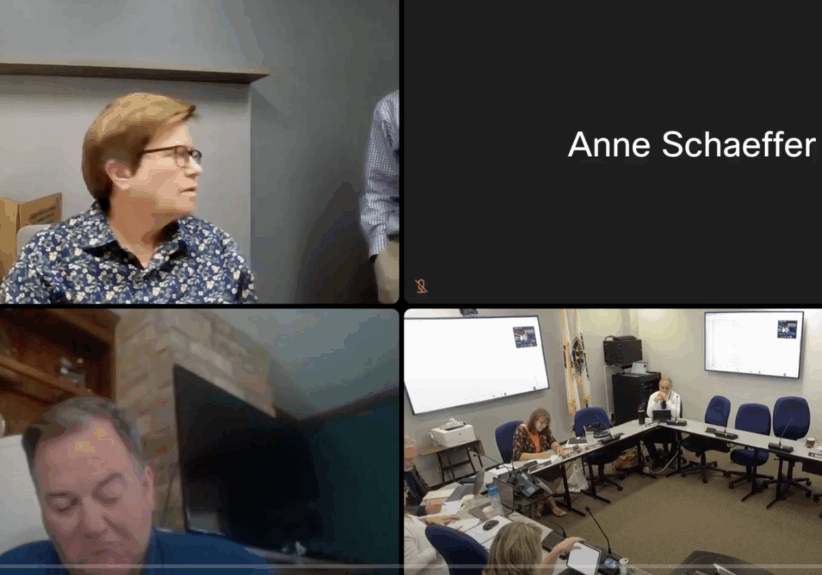
“The House didn’t have 60 votes to pass what the Senate passed,” explained state lobbyist Matt Murphy during Monday’s Legislative Committee meeting. The Senate approved a funding plan relying on digital advertising taxes, delivery fees, and rideshare charges, but House leaders publicly stated their belief that new revenues aren’t needed until 2026.
The transit agencies have warned they’ll begin implementing service reductions this fall to address the funding gap. Previous estimates suggested the shortfall could grow to over $1 billion annually within a few years when accounting for desired service expansions.
Energy legislation faced similar obstacles, with comprehensive proposals proving “too unwieldy to pass this session,” according to Murphy’s spring session report. Environmental groups had pushed for limits on energy-intensive data centers, while utilities sought efficiency improvements and battery storage provisions.
Governor J.B. Pritzker, who announced plans to seek a third term, largely avoided taking positions on contentious revenue-generating proposals during the session. His approach may reflect electoral considerations as he weighs potential national political opportunities.
The Legislature will return for veto session October 14-16 and 28-30, but the higher vote thresholds required for immediate effective dates may limit what can be accomplished before 2026.
Will County officials are monitoring these developments closely, particularly transit funding that affects regional connectivity and energy policies that could impact the county’s renewable natural gas operations at Prairie View Landfill.
State Senator Darren Bailey and other Will County delegation members will continue advocating for regional priorities during the interim period.




Mostly Sunny
Latest News Stories
Trump targets 60 economies with forced labor tariffs
Lawmakers probe $1.2B Ohio Medicaid fraud

Debt burden, pensions burden Chicago Public Schools
Nearly 100,000 Illinois Uber, Lyft drivers may soon be able to unionize

Michigan lawmakers spar over Rx Kids program amid oversight concerns
UPDATED: Waters, other incumbents ahead in LA congressional races
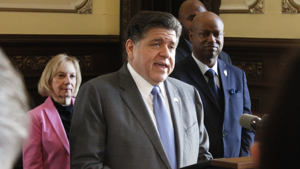
GOP rep: New budget shows ‘addiction’ to taxes

Retirees face $5,500 average cut to annual Social Security benefits in 2032
Illinois Quick Hits: Comptroller Mendoza announces run for Chicago mayor
Georgia doctors face scrutiny as they cozy up to injury lawyers

Wiener, Gallagher, Gray lead in congressional races
Desmond, Wilpert ahead in District 48 race to succeed Issa