Split Vote Halts Monee Truck Terminal Project
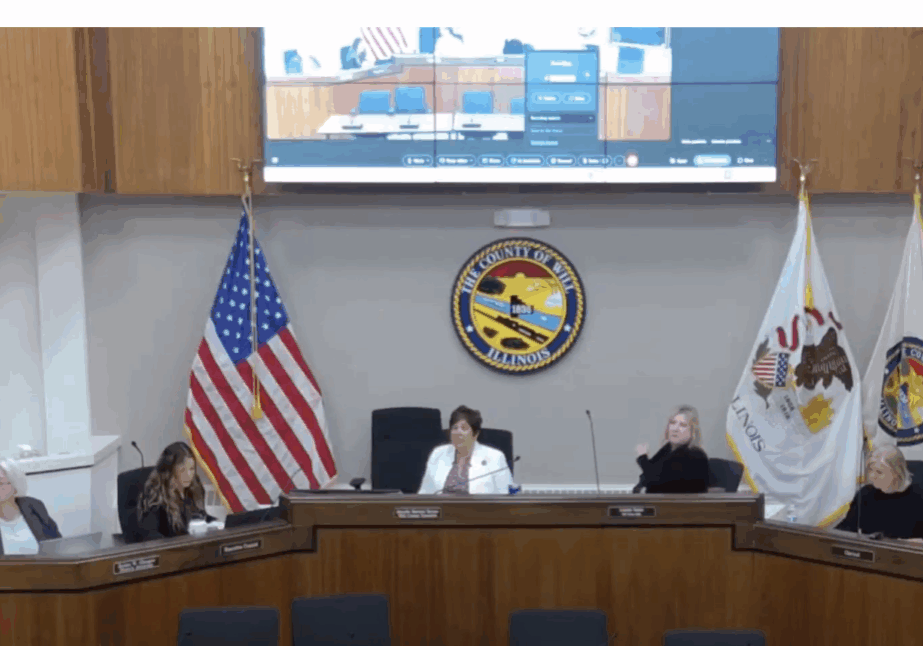
A proposed truck terminal on vacant land at West Monee-Manhattan Road in Monee Township was stopped in its tracks Wednesday after the Will County Board delivered a split decision on the project.
While the board voted 11-9 to approve a map amendment that rezoned the property from agricultural and residential (A-1/R-2) to industrial (I-2), it immediately followed with a vote to deny the crucial special use permit needed to operate a truck terminal on the site. The motion for the special use permit failed, with 11 members voting no.
The votes, taken during the board’s monthly meeting, effectively kill the project as proposed by the owner, Chicago Land Trust Company. Without the special use permit, a truck terminal cannot be developed on the property, despite the newly granted industrial zoning.
The project had received divided recommendations from the county’s advisory bodies. The Will County Planning and Zoning Commission (PZC) had recommended approval of the rezoning, while the board’s own Land Use & Development Committee had voted 5-1 to recommend approval for both the rezoning and the special use permit. The full board’s rejection of the permit




Showers And Thunderstorms Likely
Latest News Stories

Illinoisans may soon need registration, title, license to use e-bikes, scooters

Pritzker’s commission report pushes for local investigations of federal ‘brutality’

Illinois mulls change allowing pension investment in anti-Israel companies

Gun rights advocate questions Illinois ballistic imaging plan

Lockport Edges Lincoln-Way Central in Conference Battle

Beasley Allen booted from looming talc trial in Chicago

Unearned Runs Sink Lincoln-Way Central in 2-0 Pitchers’ Duel Against Marist

Illinois Quick Hits: Gas prices rise again
Board Establishes New Regulations and Fees for Wireless Telecommunication Facilities
Meeting Summary and Briefs: New Lenox Fire Protection District for March 16, 2026
Illinois pauses redistricting effort after Supreme Court ruling

Silver Cross Hospital Details Massive Emergency Room Process Overhaul Amid Surging Demand and State Behavioral Health Shortages